As a consolation for missing out on visiting Bordeaux on our northern road trip, thanks to bad weather, we decided to make an overnight stop in Córdoba on our way home. I was there for the first time way back in 1991 (yikes!) and was fortunate to see the old town and the famous Mosque-Cathedral with virtually no tourists. Andrzej, however, had yet to see it and we hoped there would be less people given that it was out of high season.
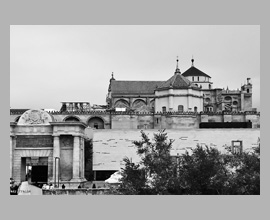
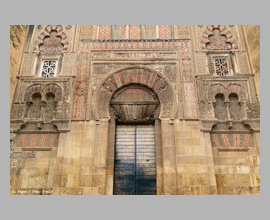
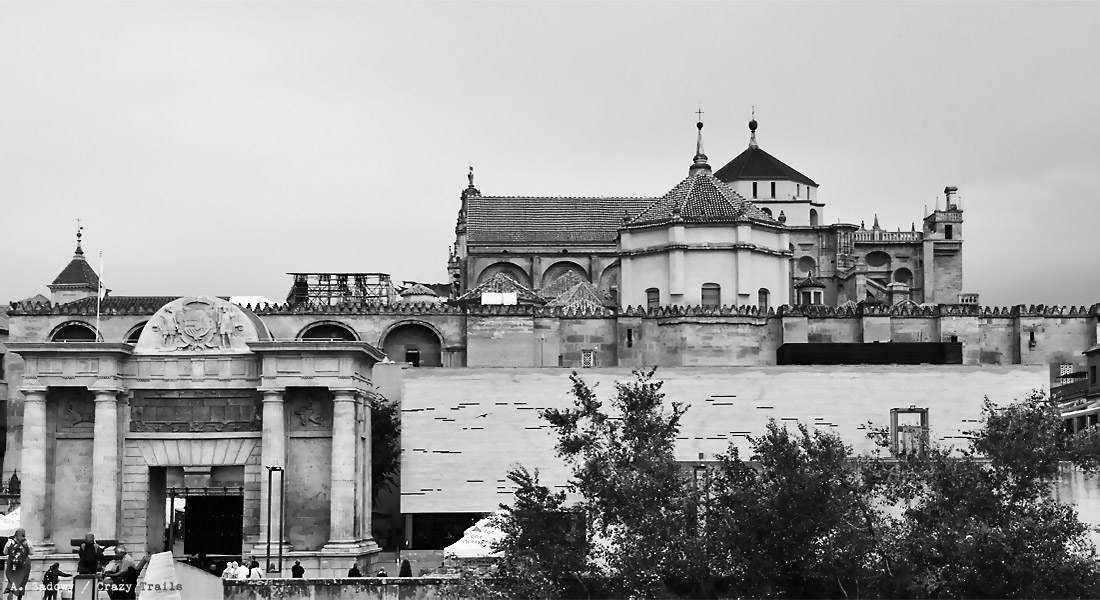
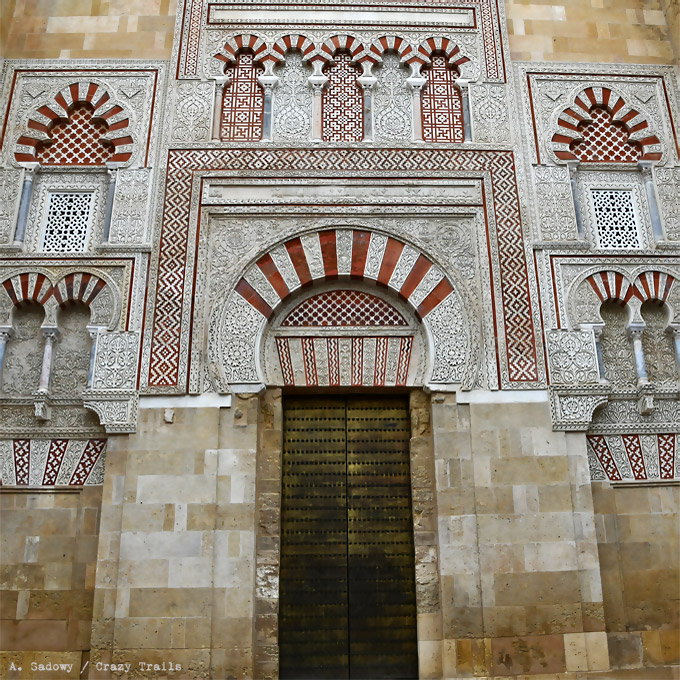
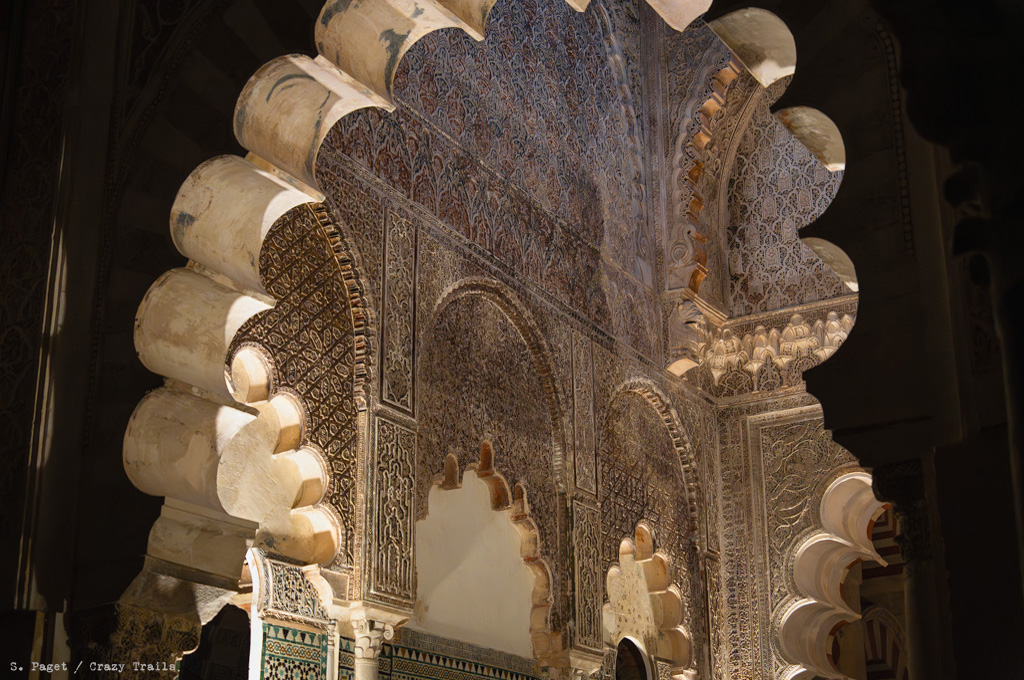
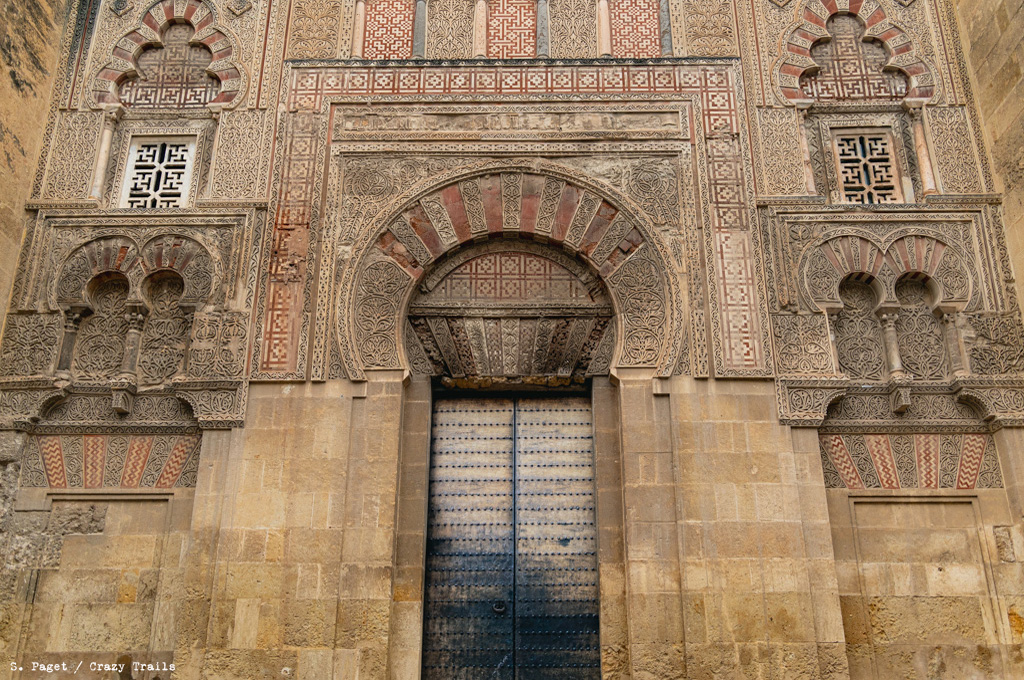
Commonly referred to as the Mezquita (mosque), this is one of the most famous tourist sites in Spain. The UNESCO World Heritage site is a truly breathtaking architectural marvel, and it’s a testament to Spain's religious and cultural history. This amazing structure started out as a Visigothic Christian church, evolved into a mosque under Islamic rule, and ultimately transitioned into a Catholic cathedral following the Reconquista. You can feel its layered history etched into every stone, making it one of the most unique sites you can see in the world.
Its history dates back to the 6th century, when a Visigothic Christian basilica, dedicated to Saint Vincent of Lérins, occupied the site. In 711, the Umayyad conquest of the Iberian Peninsula brought about a dramatic change. The basilica was initially divided, shared by both Muslim and Christian worshippers. However, in 784, Abd al-Rahman I, the Umayyad Emir of Córdoba, began the construction of a grand mosque, transforming the existing structure into a cornerstone of Islamic architecture in the region. The mosque continued to evolve until the late 10th century.
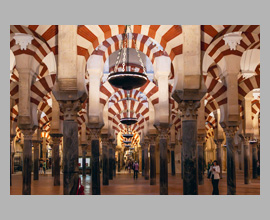
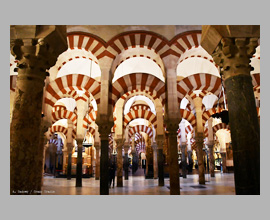
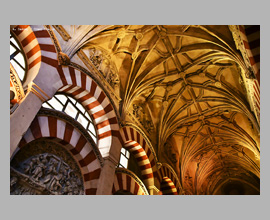
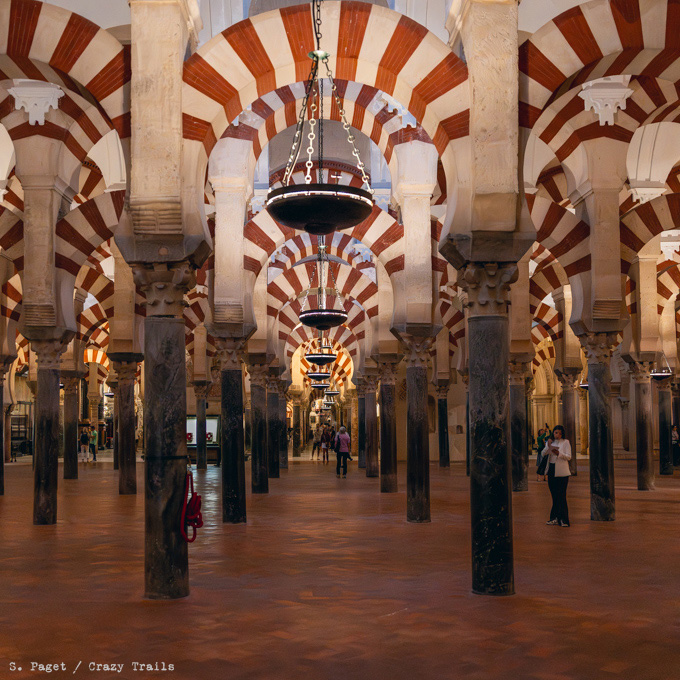
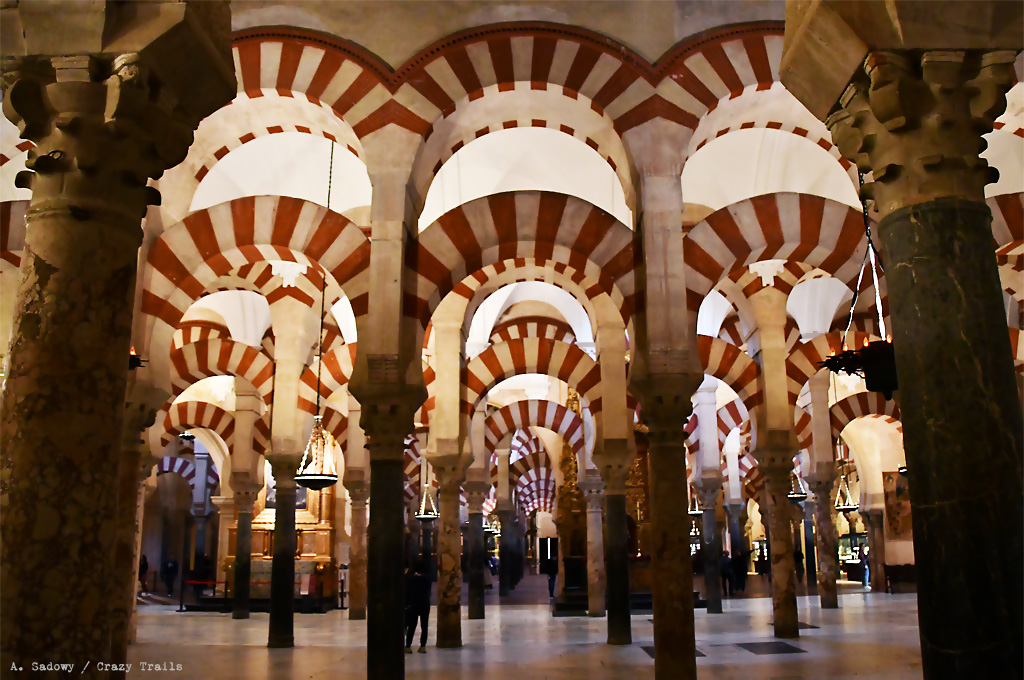
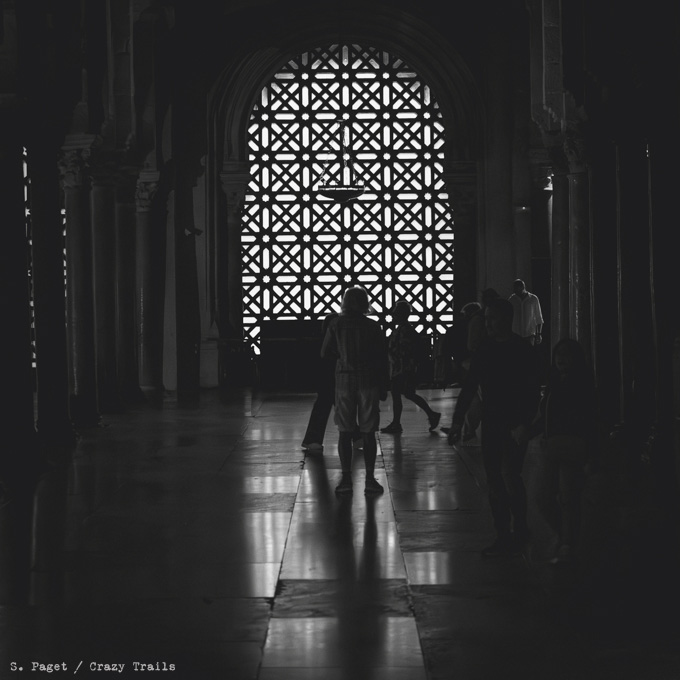
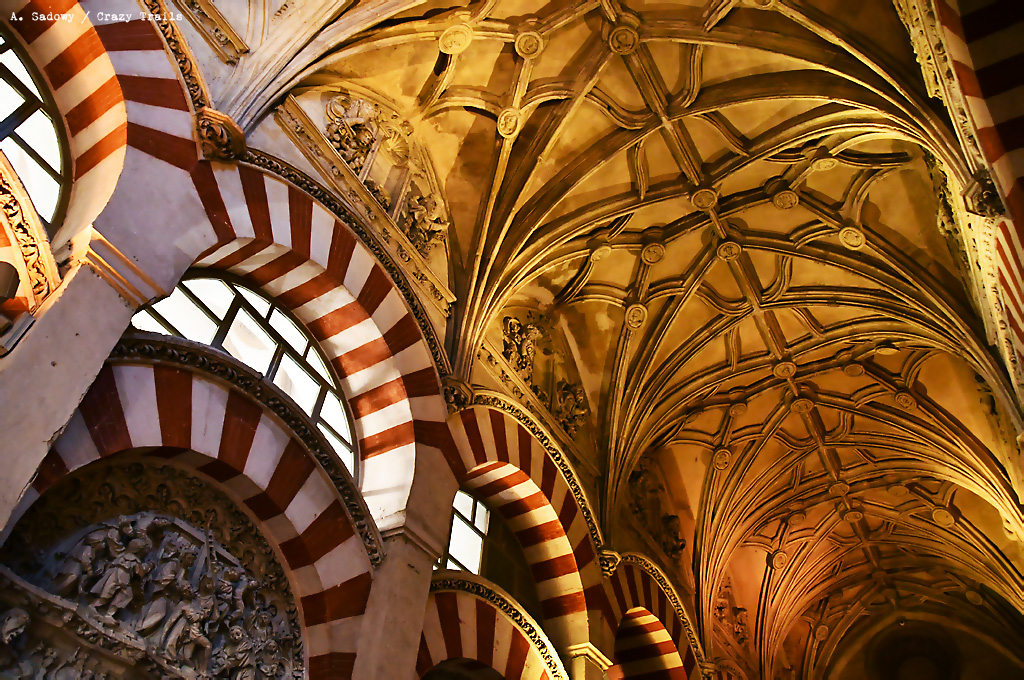
The resulting structure included a vast hypostyle hall, a term from ancient Greek meaning "under pillars". They created a veritable forest of over 850 columns, interconnected by the famous double-tiered horseshoe arches. These arches, crafted from alternating red brick and cream-colored stone, created a mesmerizing visual effect, with plays of light and shadow that continue to evoke a sense of awe to this day.
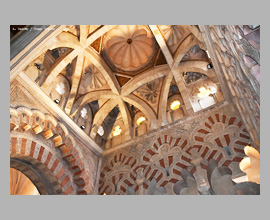
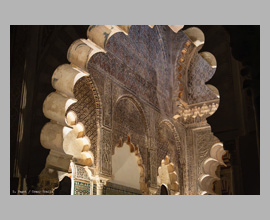
Central to the mosque's design is the mihrab, a prayer niche indicating the direction of Mecca. This masterpiece of Islamic art is adorned with intricate mosaics of gold, glass, and marble, which were gifts from the Byzantine Emperor. The elaborate geometric and floral patterns, along with calligraphic inscriptions from the Quran, highlight the skill and artistry of the Umayyad craftsmen. The maqsura, the area traditionally reserved for the Caliph, is another highlight, featuring exquisitely carved wooden ceilings and decorative stucco work.
The Patio de los Naranjos (Orange Tree Courtyard) was designed to provide a tranquil space for contemplation. Its lush orange trees, a symbol of paradise in Islamic tradition, offer a refreshing contrast to the grandeur of the mosque's interior. The courtyard's irrigation system, a testament to the advanced engineering of the time, was designed to ensure a constant supply of water for the trees and fountains. The patio to this day remains virtually the same.
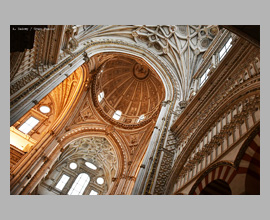
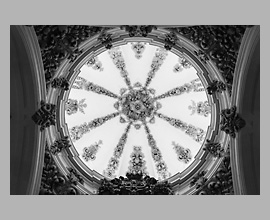
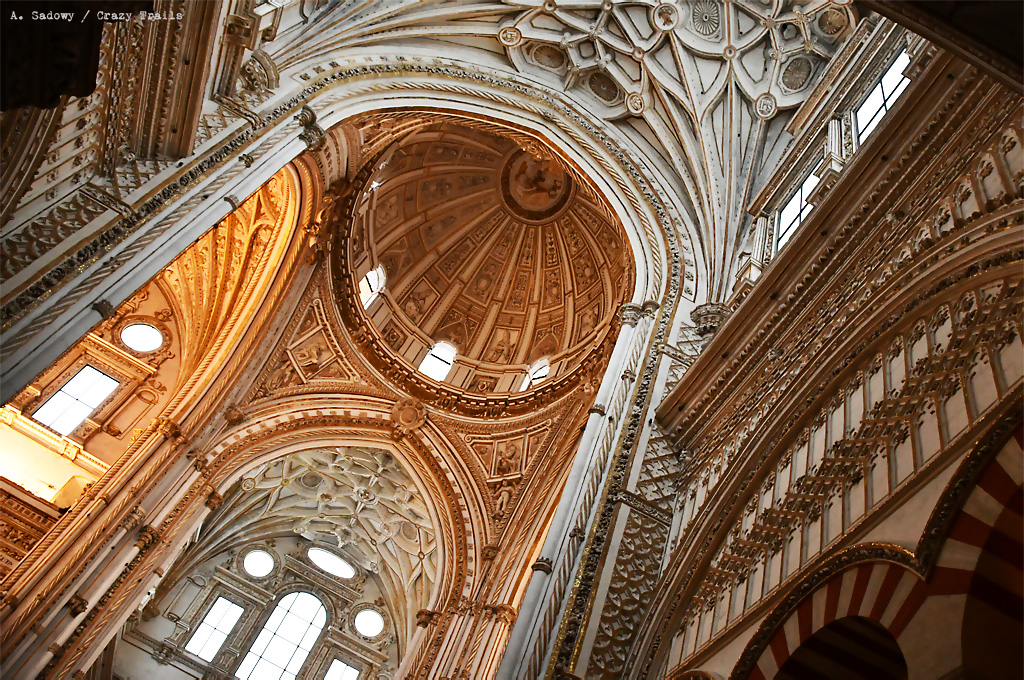
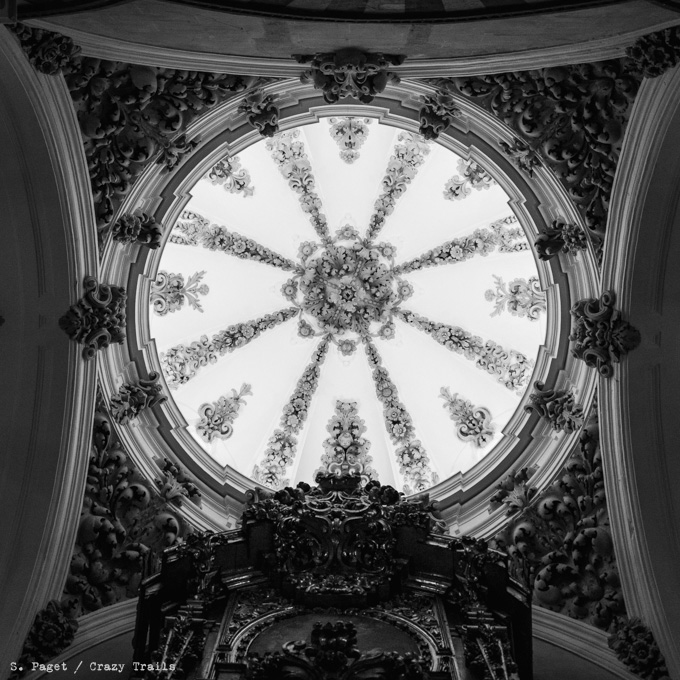
In 1236, along came Ferdinand III of Castile who captured Córdoba, marking the end of Muslim rule. The mosque was subsequently consecrated as a Catholic cathedral, and while much of the Islamic structure was preserved, the centuries that followed saw the introduction of additional Christian elements. The most significant change was the construction of a Renaissance-style cathedral nave in the 16th century, right in the heart of the mosque. This bold alteration, commissioned by Charles V, with its soaring vaults, elaborate altarpieces, and dark, intricate choir stalls, was in stark contrast to the simplicity and elegance of the mosque's grand hall. The end result was a striking balance between the Islamic and Christian styles, a visual representation of the complex history of the building. Despite their differences, the two architectural traditions coexist harmoniously, creating an incredibly unique and compelling space.
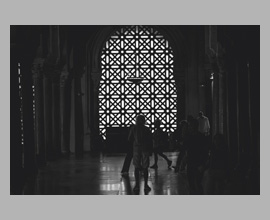
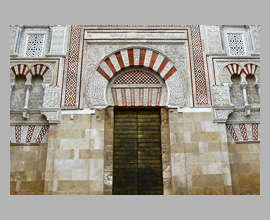
Both inside and out, the Mezquita-Catedral de Córdoba is a spectacular building that continues to amaze visitors from all over the world, and I would call it a must-see for any visit to Andalusia. Better, certainly, to visit in the low season, though, as you'll still have decent weather and far less people. And, as it turns out, you can actually enjoy a quick visit to the Mosque-Cathedral for free! You just have to go there at 8:30 am, and you have roughly an hour to walk around. You aren't able to get in to the nave area as they're setting up for a mass, but it's enough time to explore the famous columns and arches. And you’ll still be able to see the nave, albeit from a distance.
Shona, 2025