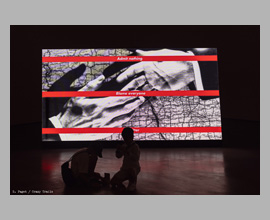
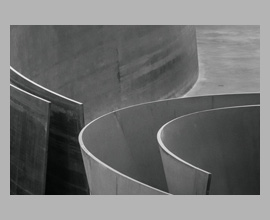
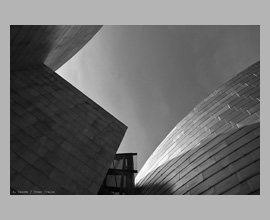
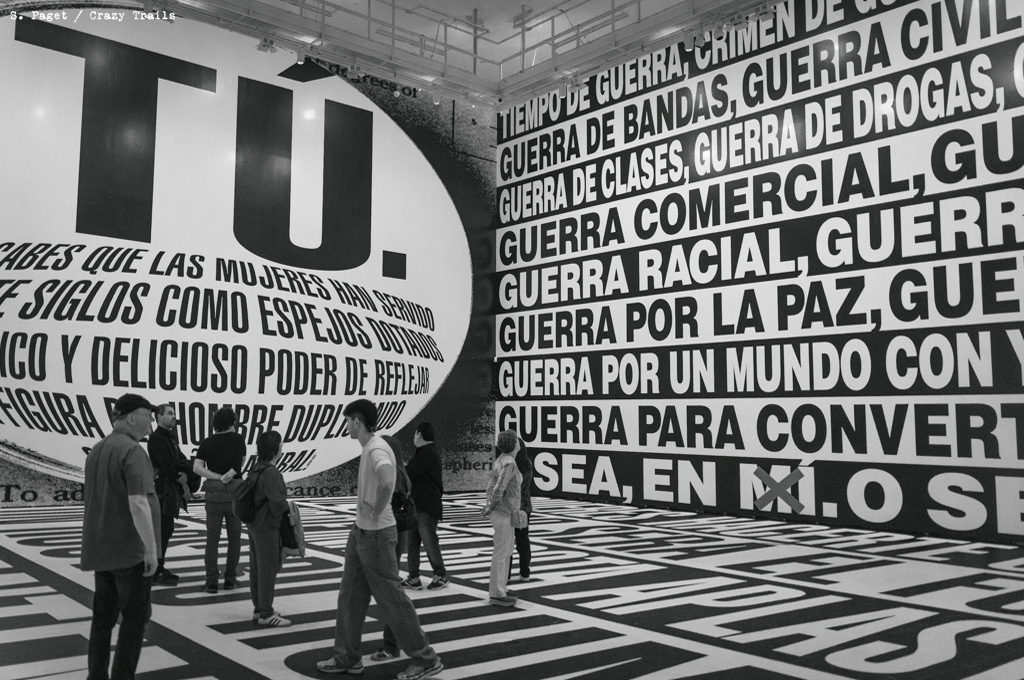
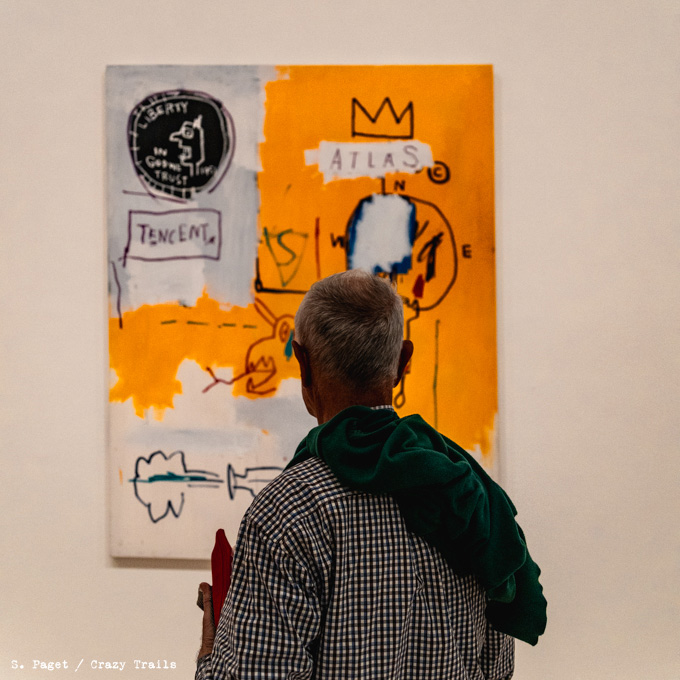
We always try to visit modern art museums wherever we go, and the Guggenheim Bilbao has been on our bucket list for a long time. Most people recognize the museum as a stunning piece of modern architectural design. And it truly is. Your jaw almost drops to the floor when you first walk up to the site. The museum opened in late 1997 and is a branch of the Guggenheim Foundation, which has dedicated itself to exhibiting modern and contemporary art. As a matter of interest, the museum's revolutionary design was courtesy of the famous Canadian architect Frank Gehry, whose distinctive style is easily recognizable.
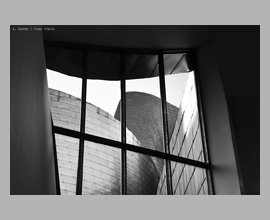
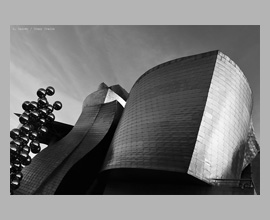
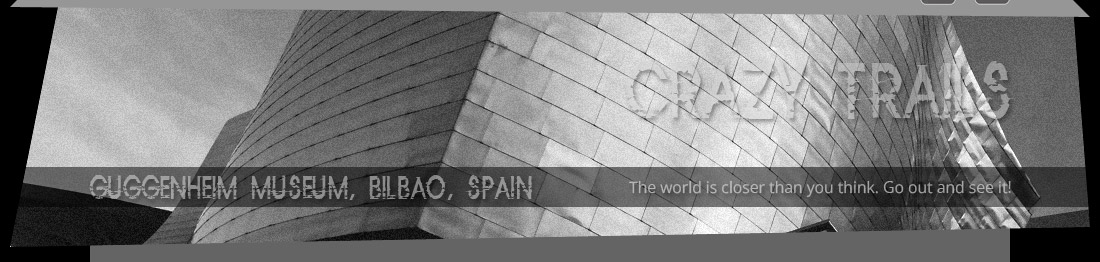
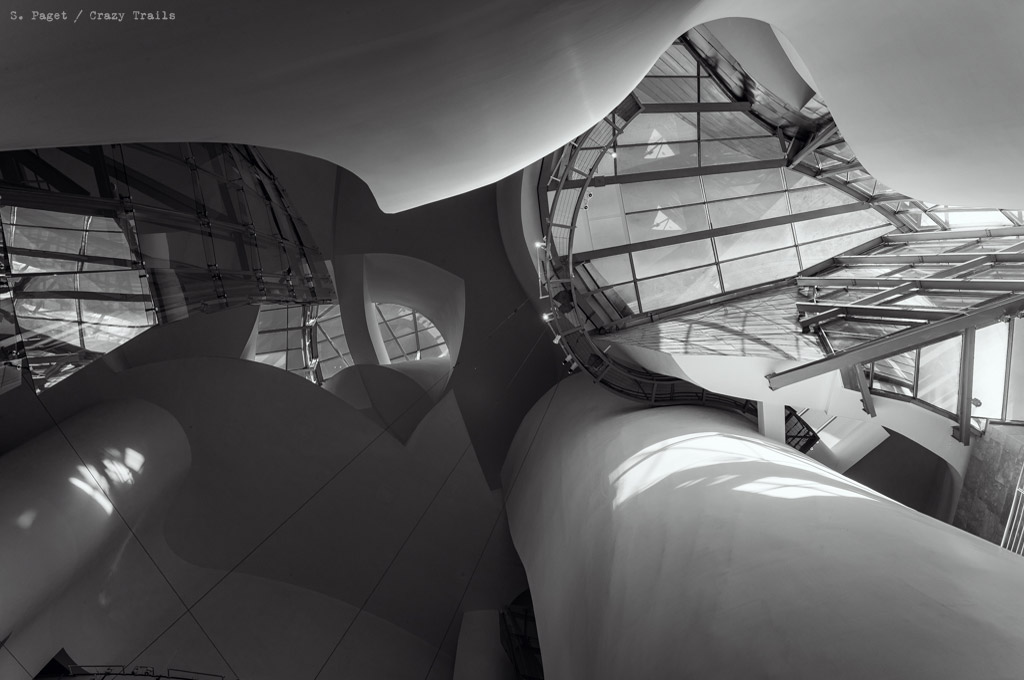
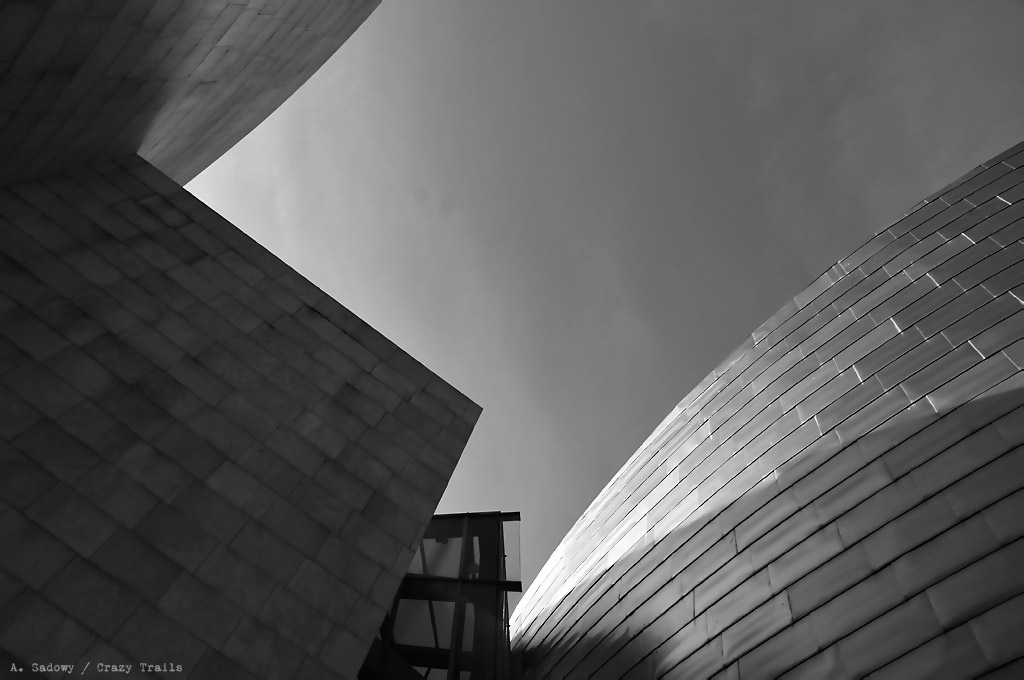
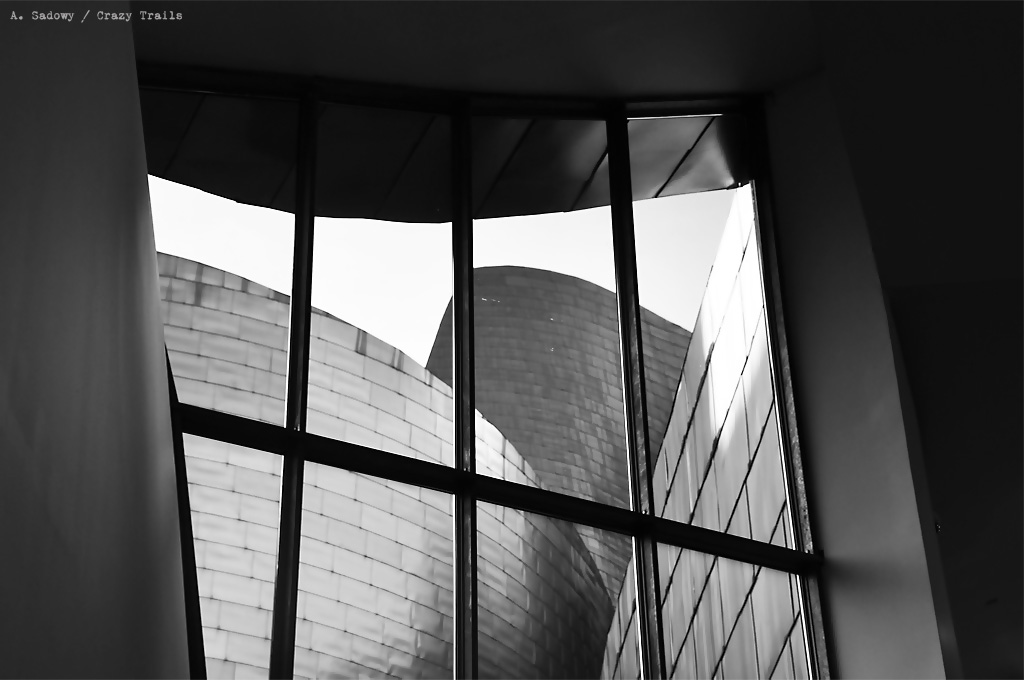
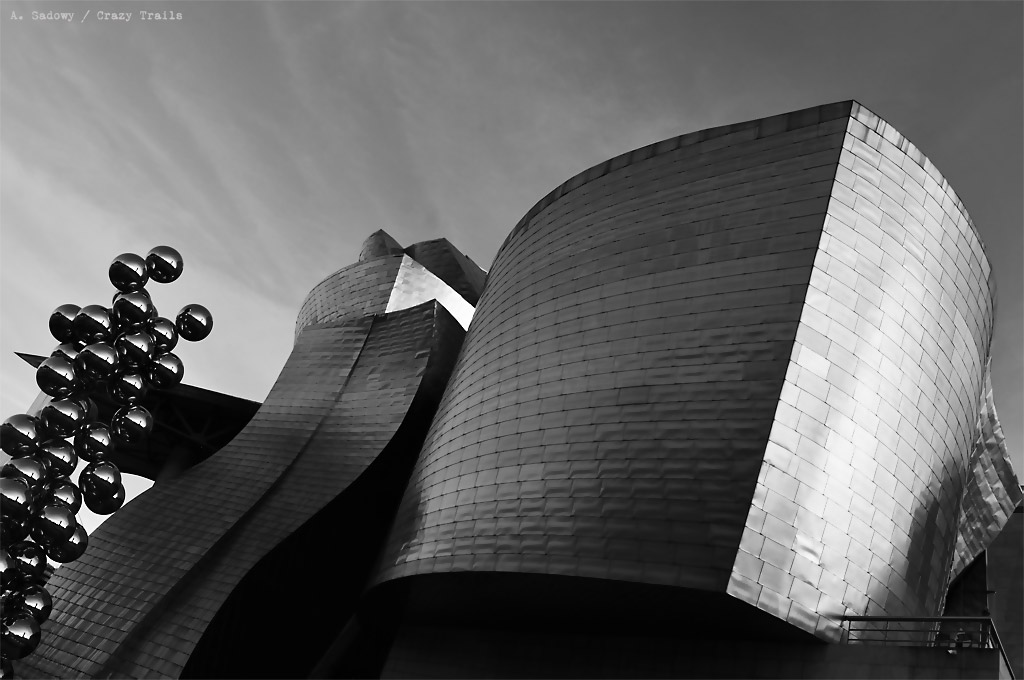
Gehry designed the building as a massive, fluid sculpture, deliberately turning his nose up at traditional geometric forms. Its complex, waving shapes were created using sophisticated software, making Gehry a pioneer in the digital age of architecture. The museum’s exterior is covered in around 33,000 extremely thin sheets of titanium, a material chosen for its ability to shimmer and change color with the light and the weather. We definitely recommend seeing the museum at sunset to witness the beautiful effect of these titanium tiles.
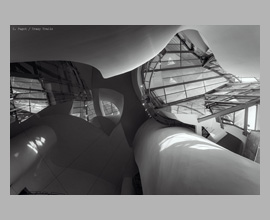
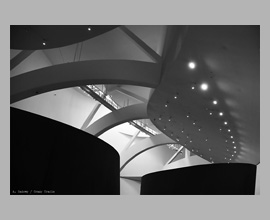
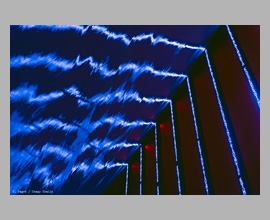
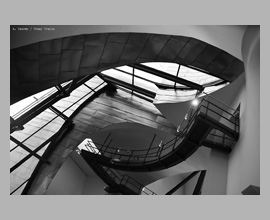
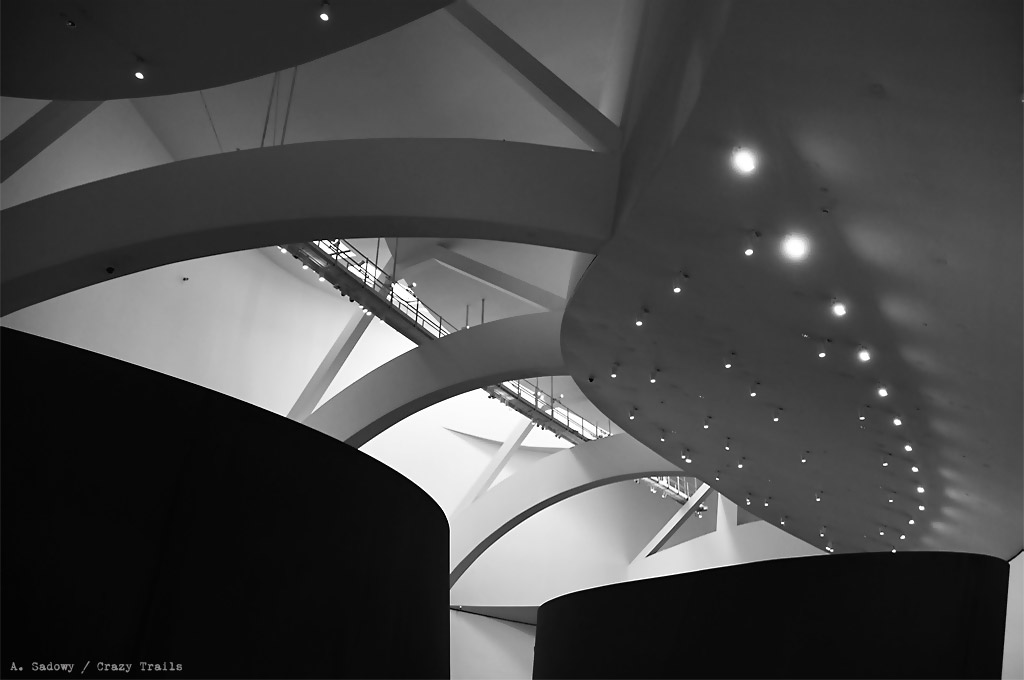
Inside the building, the heart of the museum is the huge atrium which is filled with light, creating wonderful shadows for photographers, especially on sunny days. Luckily for us, we did have a beautiful day for our visit. The atrium connects twenty separate galleries, some of which feature more unconventional shapes, like the incredible "Boat Gallery” which was designed specifically to accommodate massive artworks.
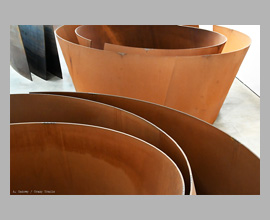
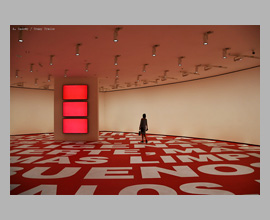
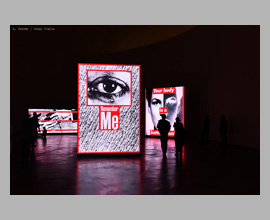
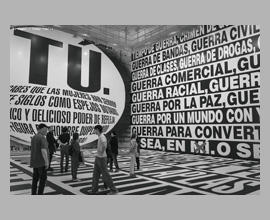
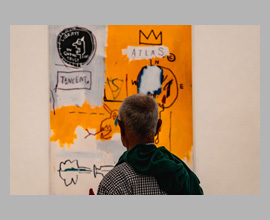
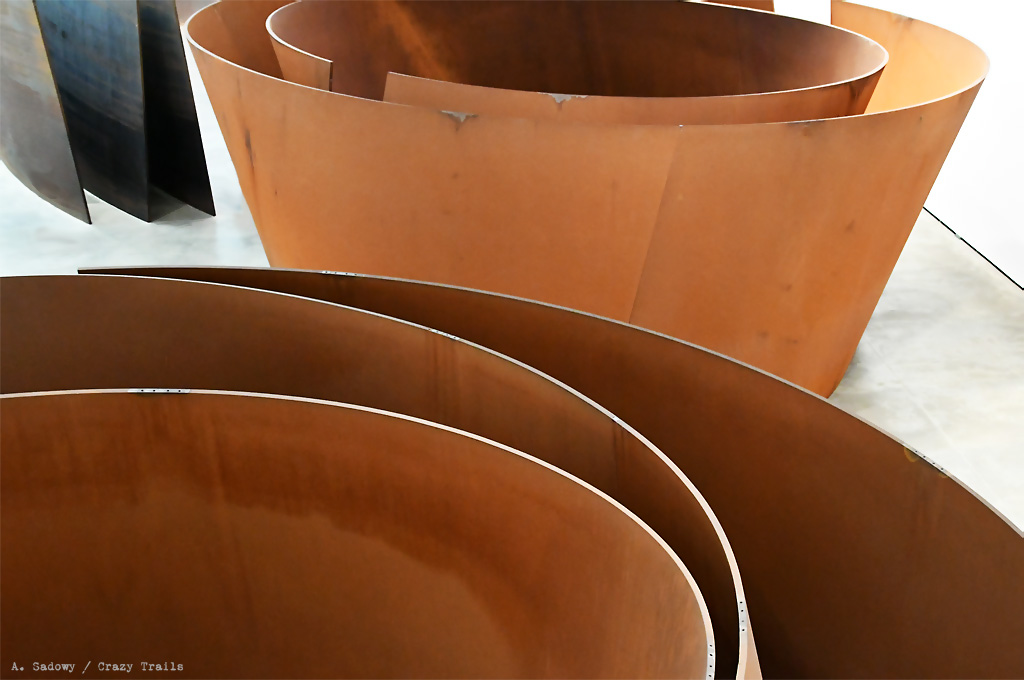
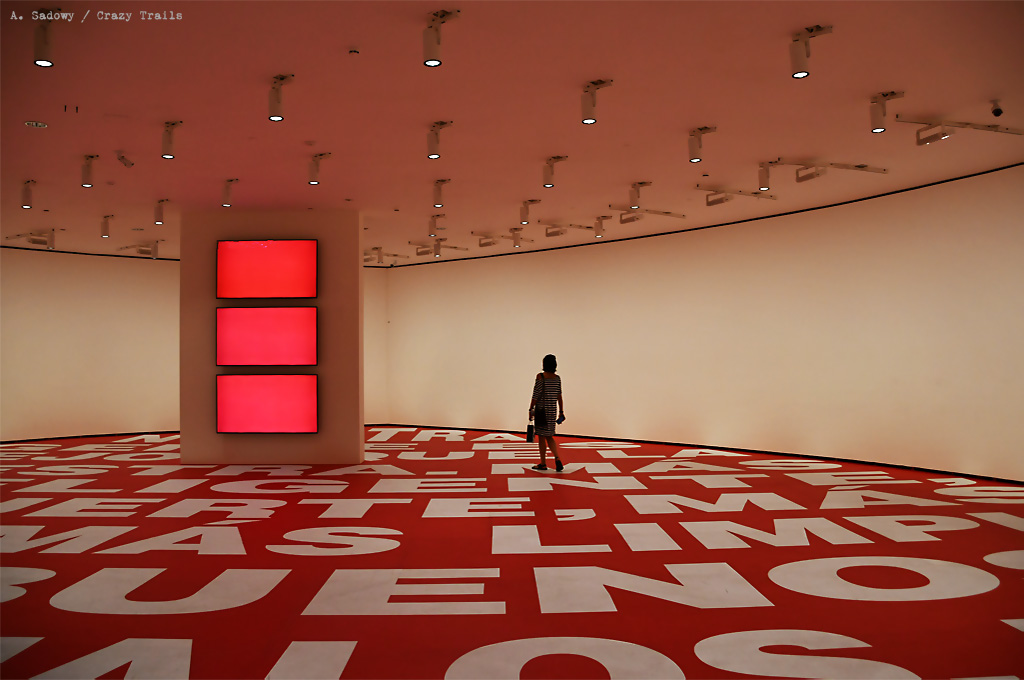
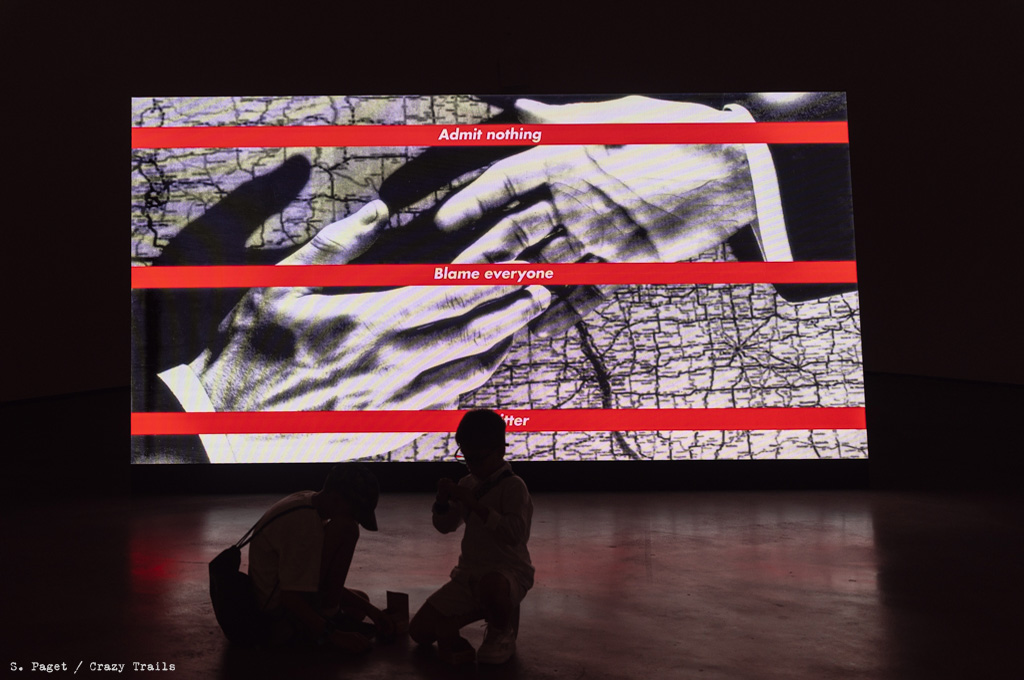
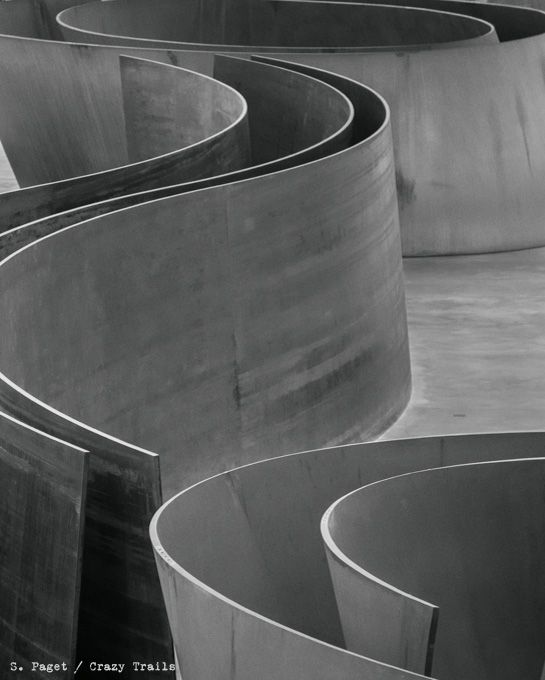
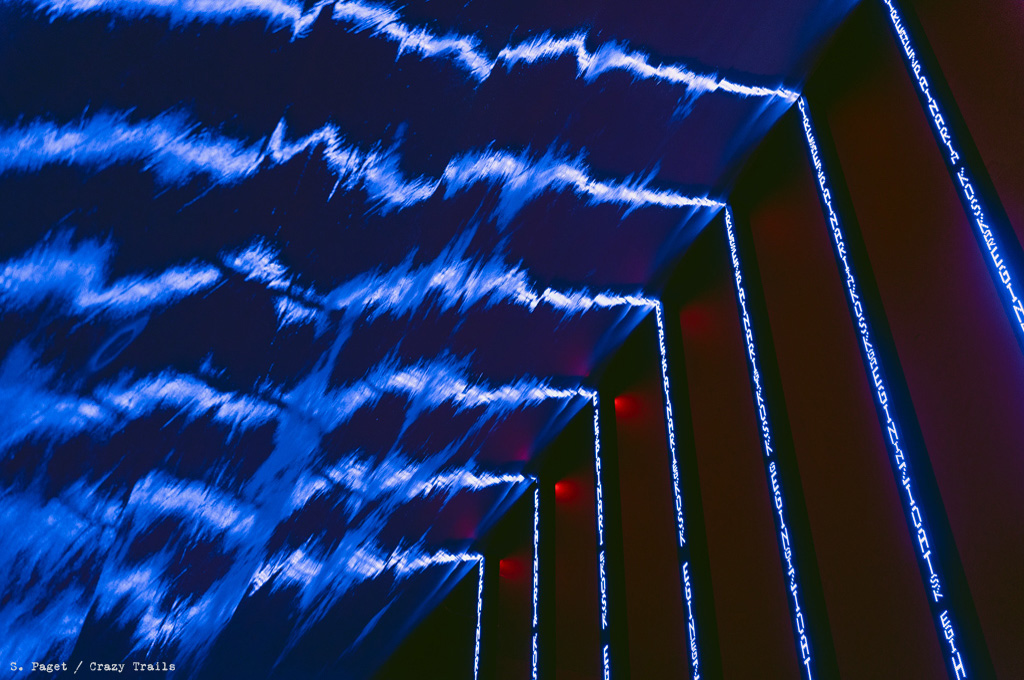
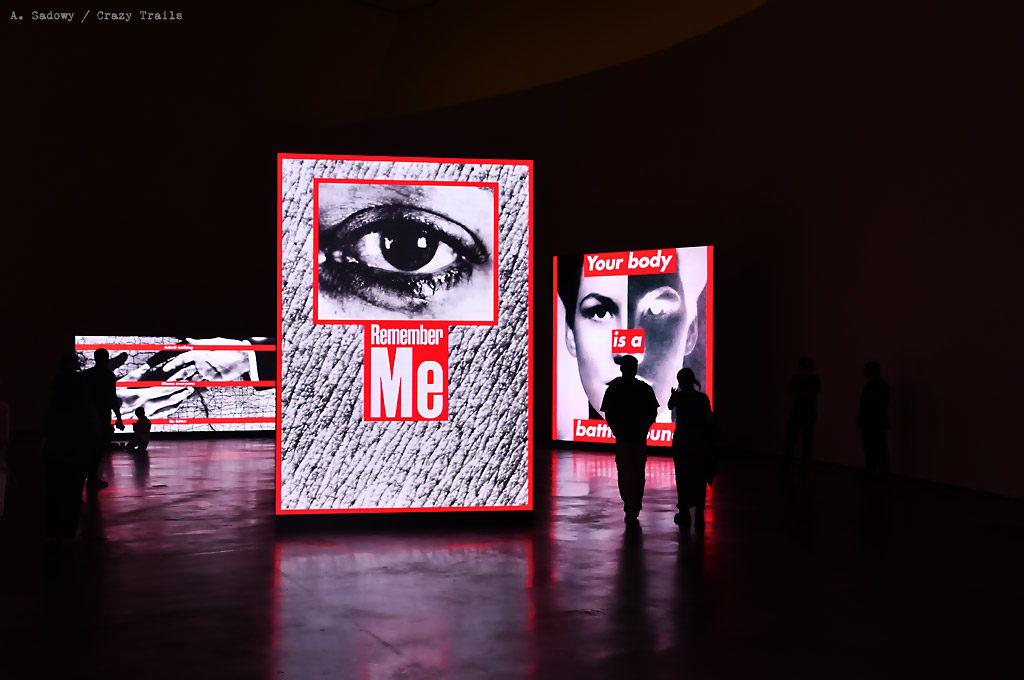
The museum’s permanent collection focuses on post-WW II American and European art, featuring famous artists such as Mark Rothko and Andy Warhol. The collection also includes several huge installations commissioned specially for the building's unique spaces. These include Richard Serra's immersive steel sculpture The Matter of Time and the iconic spider Maman by Louise Bourgeois, a piece that is instantly associated with the city of Bilbao. Sadly, we were there between exhibitions so much of the museum was closed.
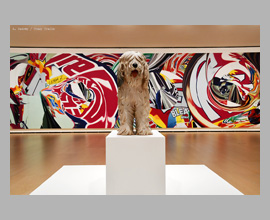
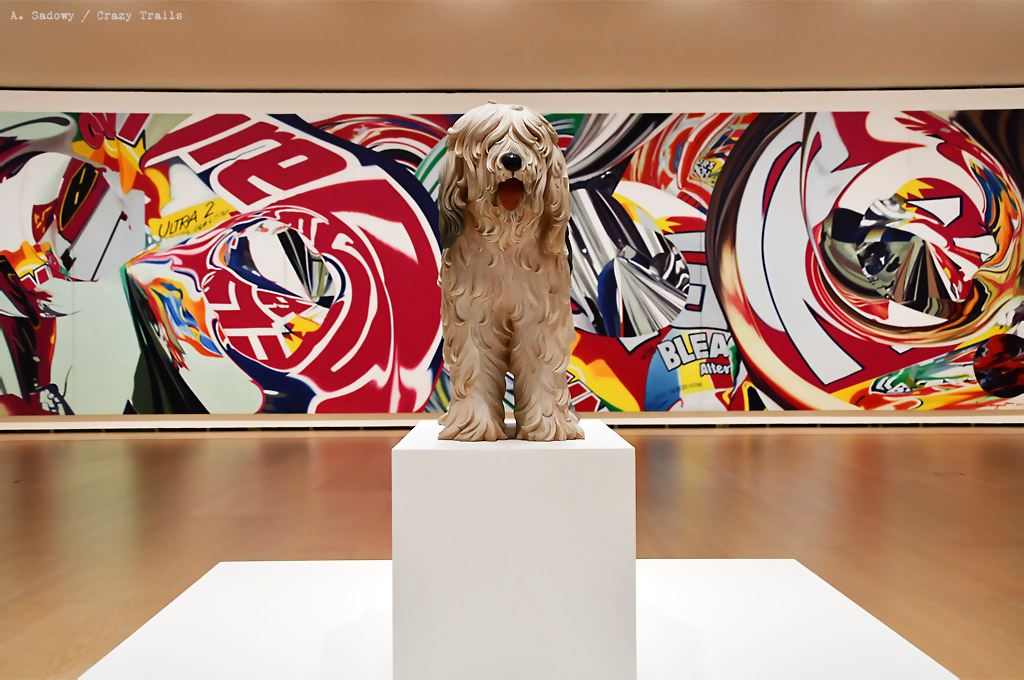
By chance, we visited on a free weekend so the museum was packed to the gills with locals and their children running around. We probably would have preferred to pay and have it less crowded but we still thoroughly enjoyed wandering around and seeing the interesting works of art. And we did get to witness a little drama when one lady decided that she wanted her photo taken next to the sculpture of the dog. She actually managed to step on to the sculpture’s podium before a museum worker chased her away. I’m sure the museum was thrilled with the shoe print she left behind. I’d call her a ‘touron’ but I’m pretty sure she was local.
Beyond its cultural and artistic importance, the Guggenheim Bilbao is an important case study in urban planning and renewal, famously giving rise to the term the "Bilbao Effect." Before the museum's construction, Bilbao was an industrial city in unfortunate decline. The decision by the Basque government to invest heavily in the museum was a huge gamble but it paid off handsomely by revitalizing the city and shifting its focus to culture and tourism. The museum's international success has resulted in a huge influx of visitors and capital, transforming the city's image and economy.
Unfortunately, the weather changed the night we arrived, so we didn’t get a chance to see more of the city. I visited Bilbao on my own many, many, many years ago but Andrzej had never been, and it would have been nice to do some sightseeing in the city centre. Oh well, such is life. At least we got to tick the museum off our bucket list.
Shona, 2025