20.08.2003
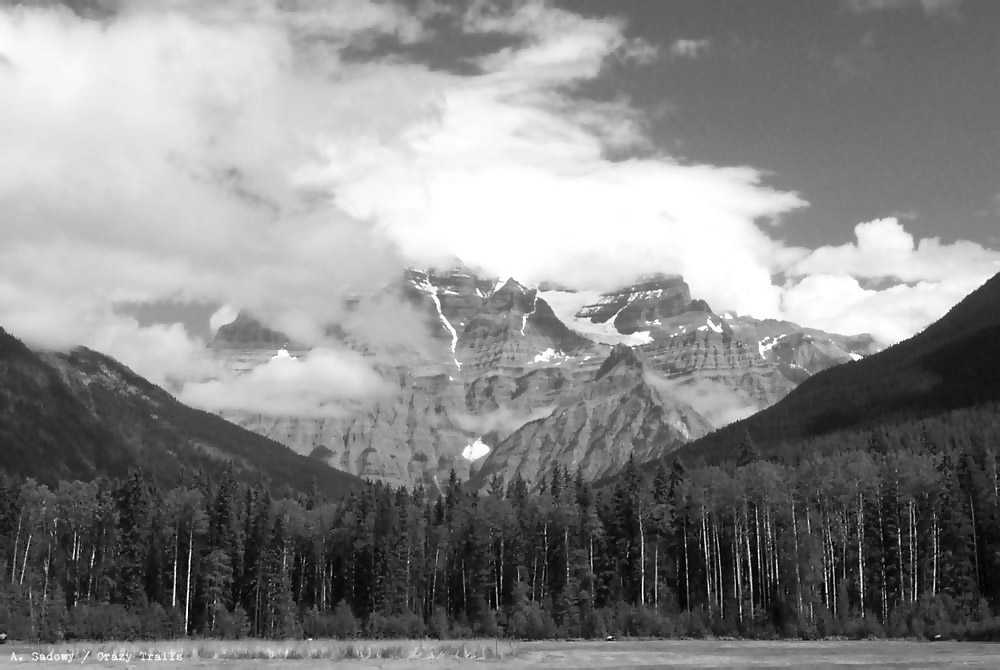
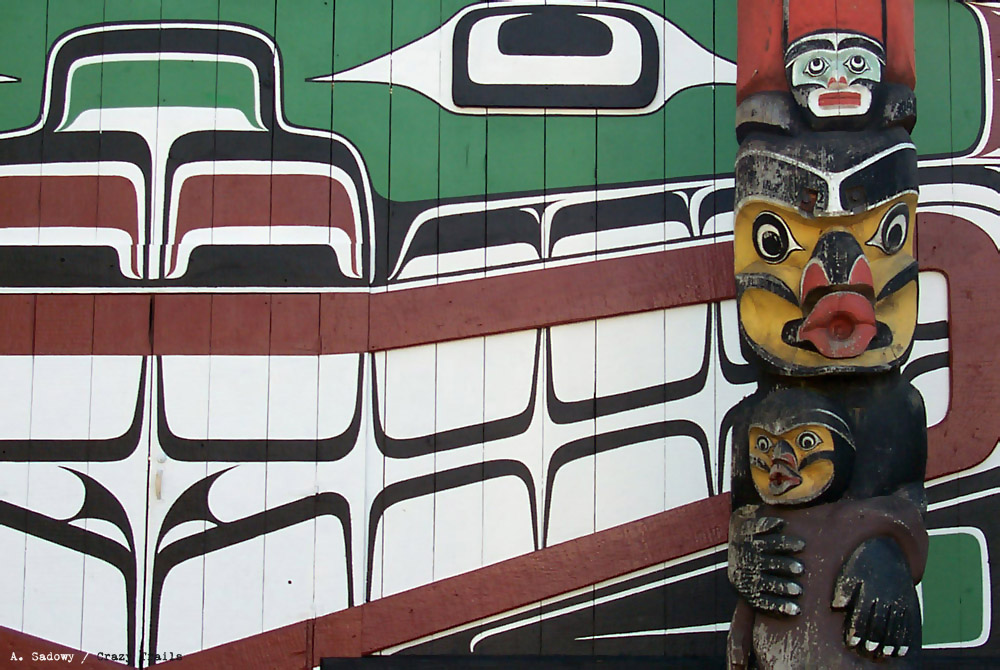
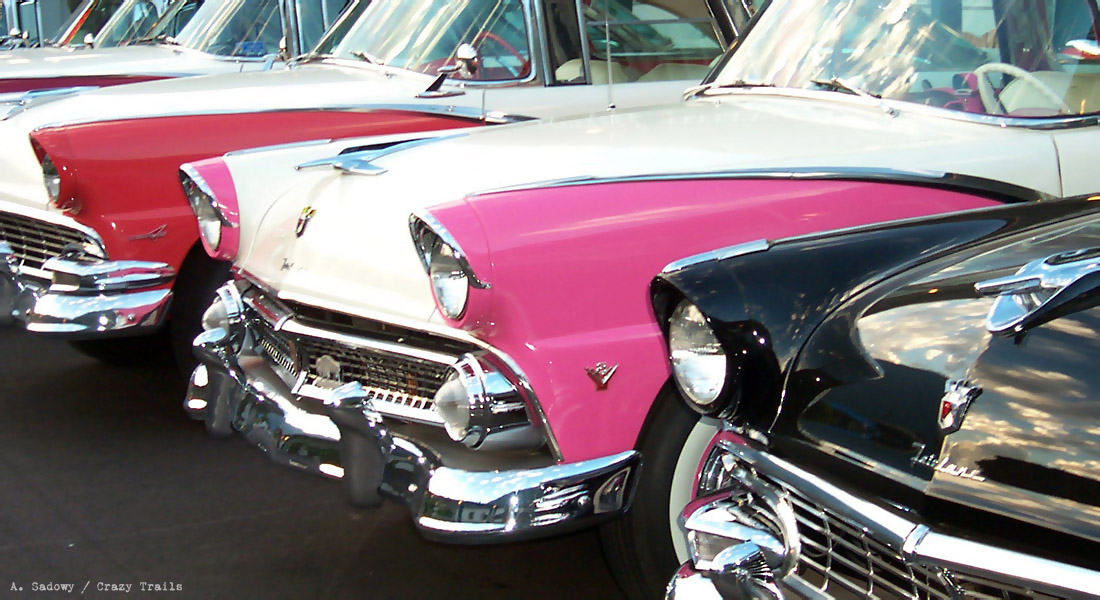
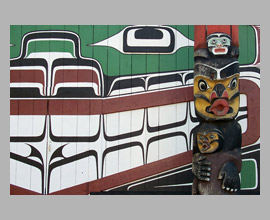
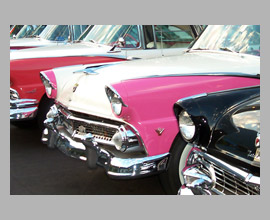
It's always fun to visit British Columbia. The drive is spectacular, especially near Mount Robson Provincial Park and through the Thompson Valley (Kamloops). We (my sister, her husband, and I) made it as far as beautiful Victoria on Vancouver Island. Victoria, the capital city of BC, offers a lot of tourist attractions and can be incredibly crowded in the summer season. On our way back, we had a chance to admire some meticulously restored classic cars at the classic car show in the town of Hope.
Andrzej

10.08.2003
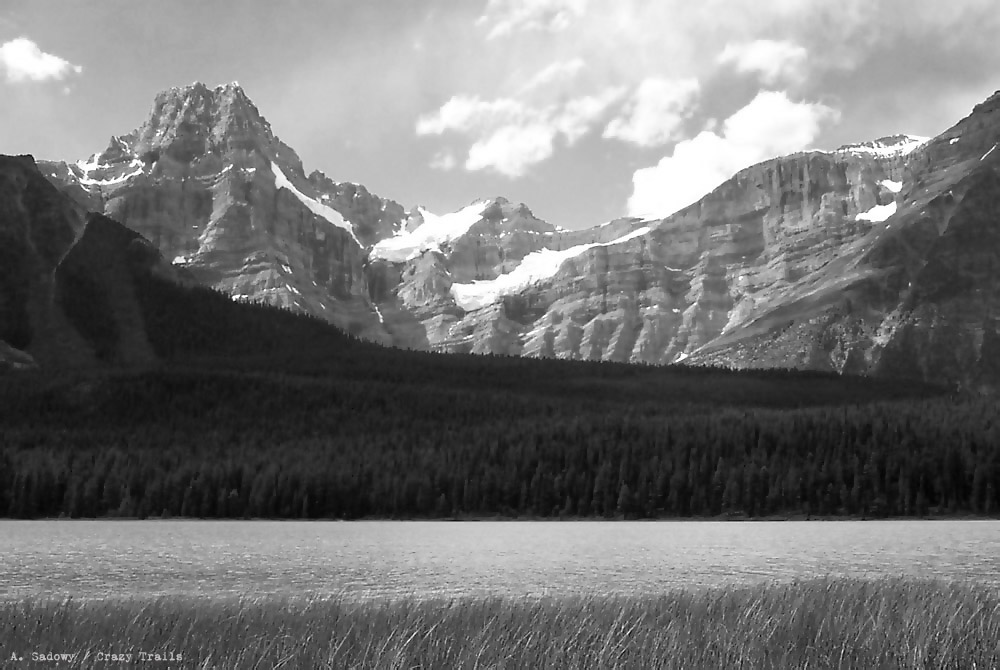
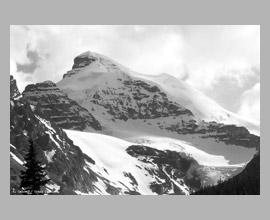
The Glacier Highway, more commonly known as the Icefields Parkway, is a stunningly scenic 230-kilometer route through the heart of the Canadian Rockies, connecting Lake Louise and Jasper. This iconic highway traverses Banff and Jasper National Parks, offering breathtaking views of glaciers, turquoise lakes, and towering mountain peaks. It’s considered one of the most beautiful drives in the world. I highly recommend it!
Andrzej


01.07.2003
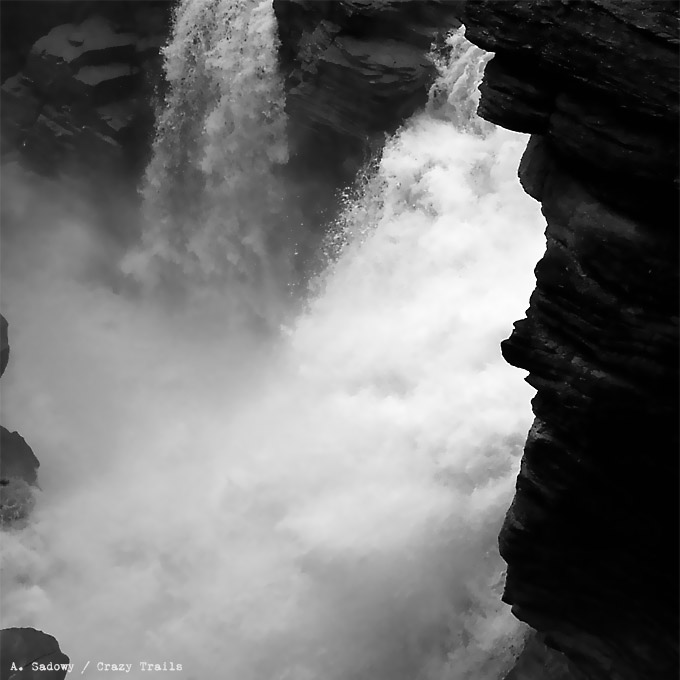
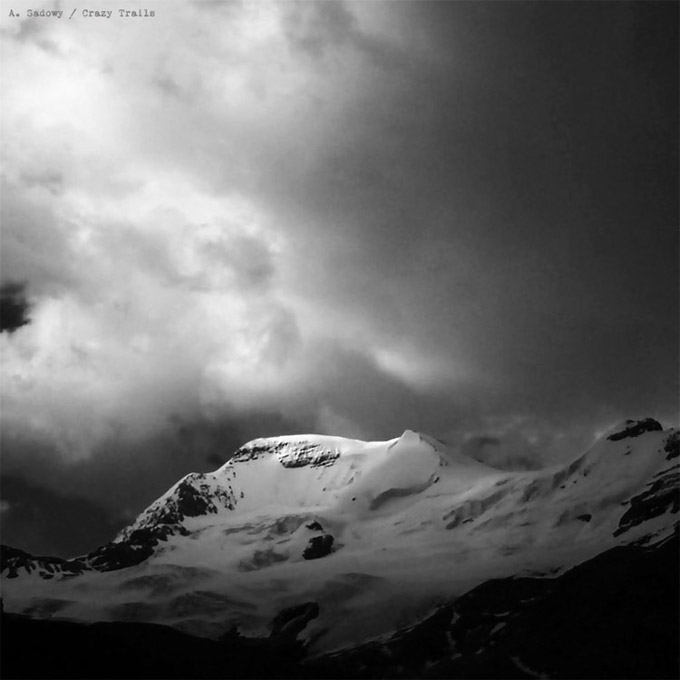
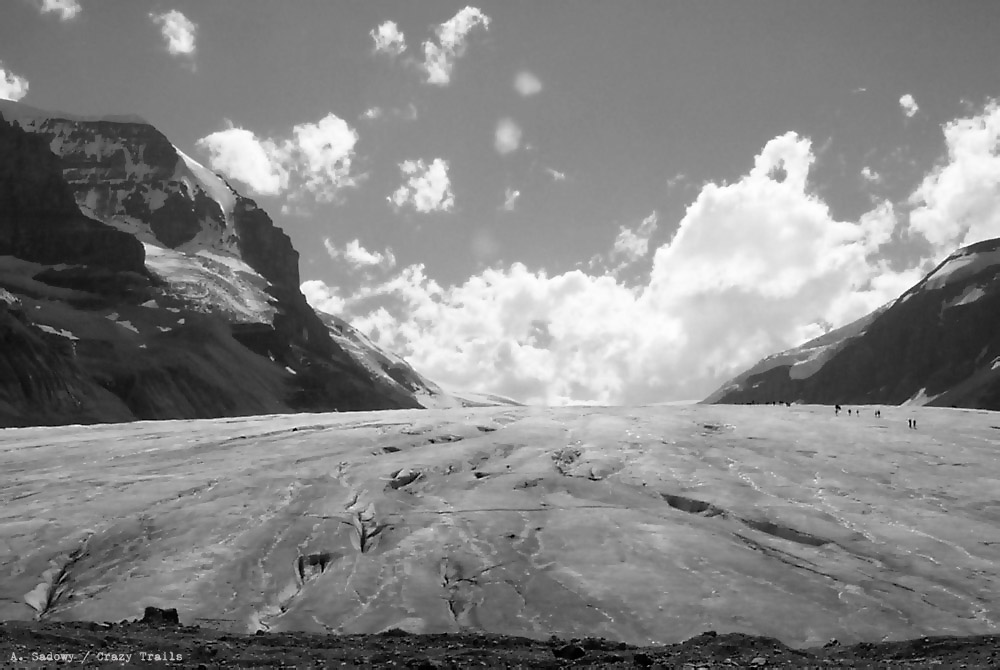
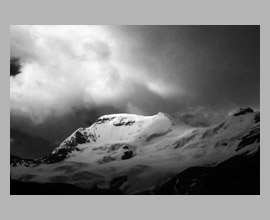
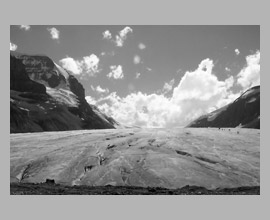
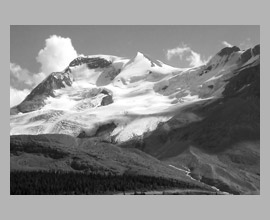
The Jasper National Park Icefield Information Centre is probably the most spectacular place in the Canadian Rockies that’s reachable by car. Surrounded by giants like Mount Athabasca (3491 m), Mount Andromeda (3450 m) or Mount Kitchener (3505 m), the place is a hiking, mountaineering, and photography paradise. The Athabasca Glacier, which directly flows from the Columbia Icefield, is a short hike away from the parking lot and is a very popular and busy summer attraction for hordes of tourists eager to “experience” a real glacier.
Andrzej
26.04.2003
Wow, I can't believe we're back home! 6 months of travelling around SE Asia was an amazing experience. Definitely the most exotic places I've ever seen. We saw so many incredible things, it's almost surreal to look back.
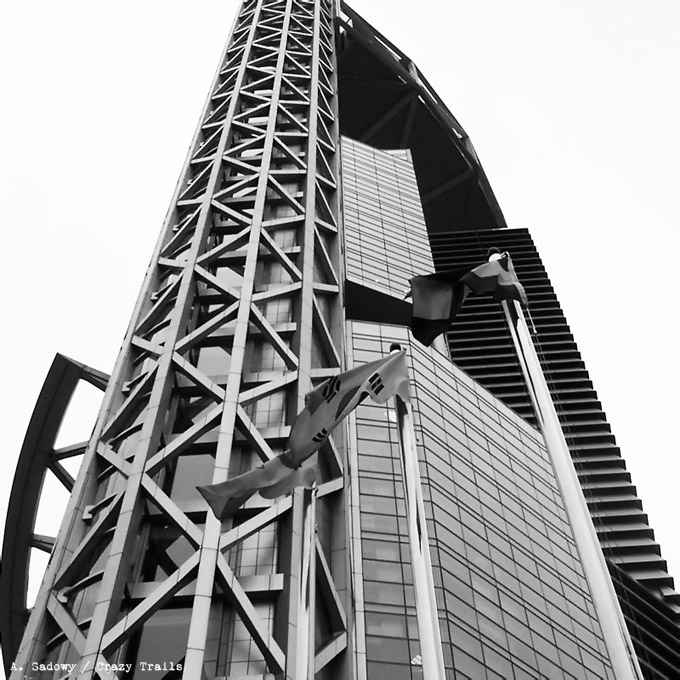
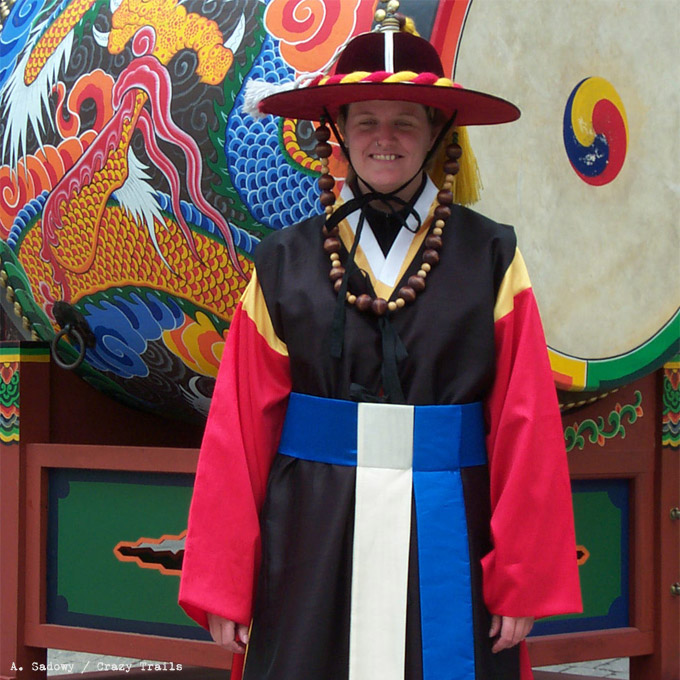
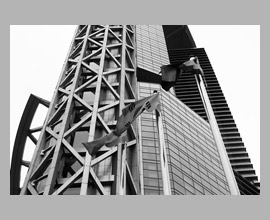
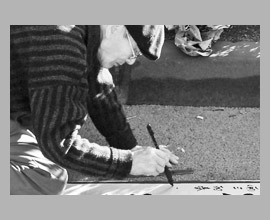
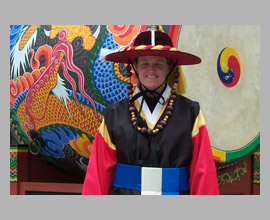
Our last stop before flying back home was to Seoul, South Korea. It was almost a bit of a culture shock after some of the places we visited. It's a beautiful, modern city but also extremely busy and crowded. Seoul is a great place to get some street photos, but there are also several historic sites to see, including the Changing of the Guard ceremony at Gyeongbokgung Palace. That was a highlight for me as they pulled me out of the crowd, dressed me in some traditional clothing and made me hit the big drum! Hahaha...so fun. Another moment that stood out for me was when an older gentleman stopped me in a park and started berating me about the Korean War. I politely explained that I was from Canada and his whole demeanor instantly changed!
Travel certainly does provide us with interesting memories.
Shona
20.04.2003
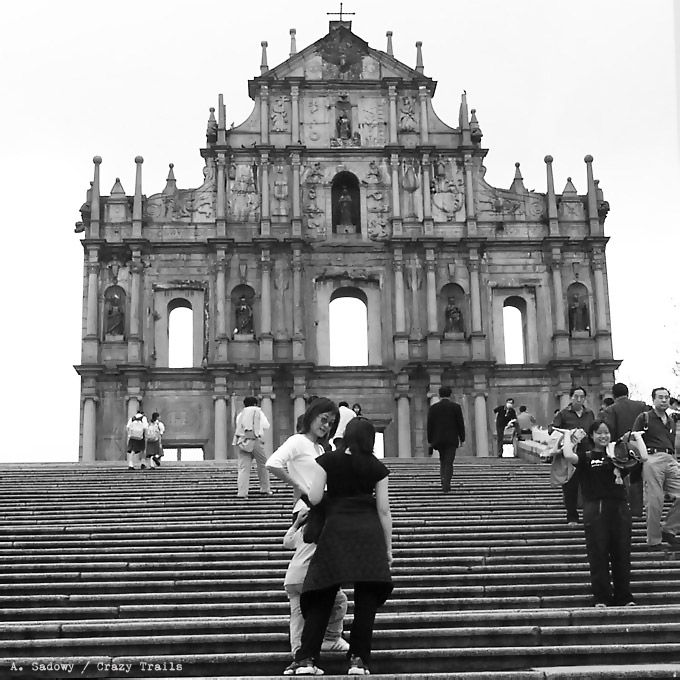
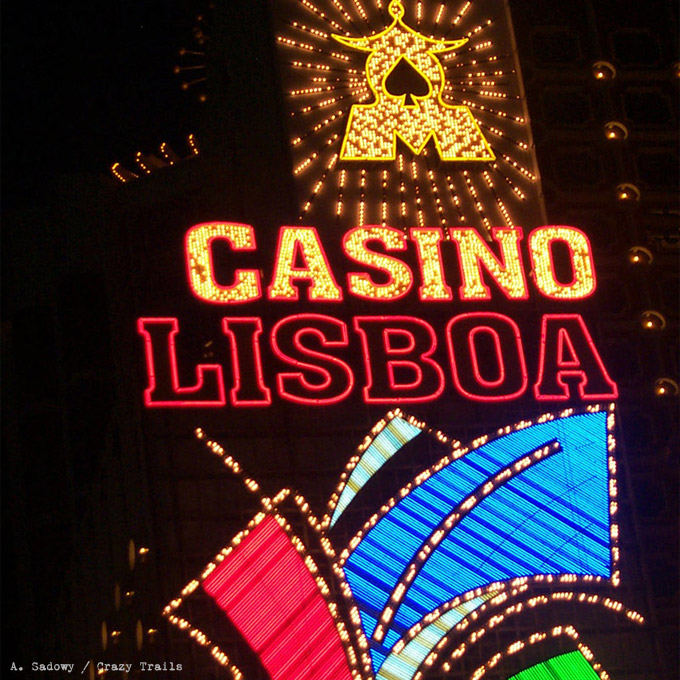
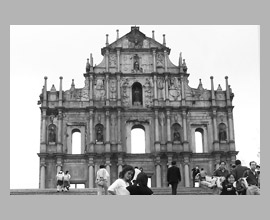
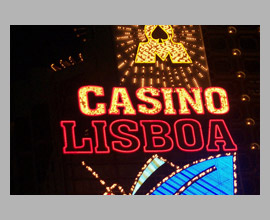
Our next stop was the tiny territory of Macau. Technically it’s still part of China because at midnight on December 20th, 1999, after 442 years of Portuguese rule, Macau was handed back to China. It’s a strange and crowded place (the most densely populated region in the world), and known as the gambling capital of the world. If you’re not into spending your time in one of the casinos, there are some interesting places to visit, like the ruins of St. Paul’s, A-Ma Temple, Senado Square or St. Dominic’s church.
From Macau we took a ferry to another special administrative region of China, Hong Kong. The territory was handed over from the United Kingdom to China in 1997 and is now one of the world's most significant financial centers and commercial ports. Hong Kong is also one of the most visited cities in the world, so be prepared, lol.
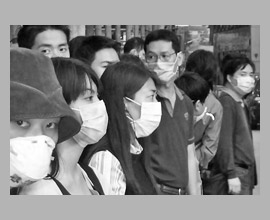
Our timing to visit Hong Kong was really bad, we were not even sure if they would let us in or not. Shona was sick, coughing like crazy, and the outbreak of SARS cost almost 200 Hongkongers their life. Scary stuff but we survived and even managed to do some sight-seeing, before flying to our last stop, South Korea.
Andrzej
15.04.2003
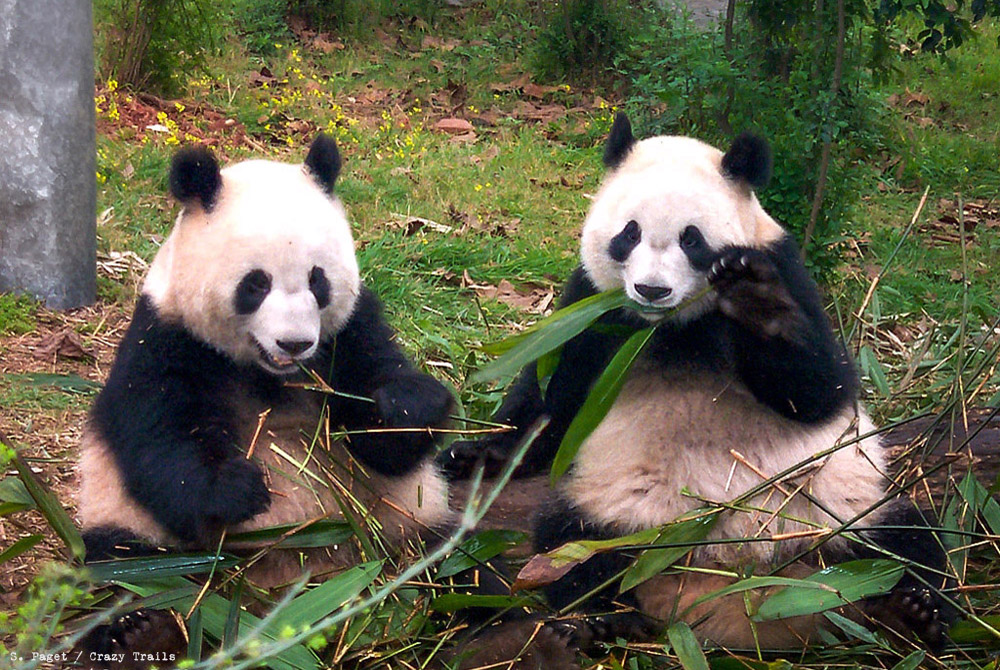
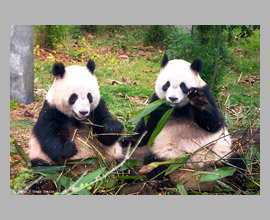
Wow, I can't believe we're nearing the end of our 6-month journey! We just finished a month-long whirlwind visit to China. So many great experiences and a few rather funny stories. I'll just leave it at the bathrooms in China are definitely an interesting experience, lol. So, we walked across the border from Vietnam to China and then took an overnight bus to Kunming. And from there we took a train to Chengdu. Our primary reason for visiting this city was to see the pandas! Chengdu is home to the famous Giant Panda Breeding and Research Centre and they have tours where you can see the adults, the red pandas and even the babies. This was an unforgettable experience and I wish we could have stayed there all day! Besides the pandas, the city was nice to walk around and, as the capital of Sichuan Province, there was plenty of good, cheap food to be found.
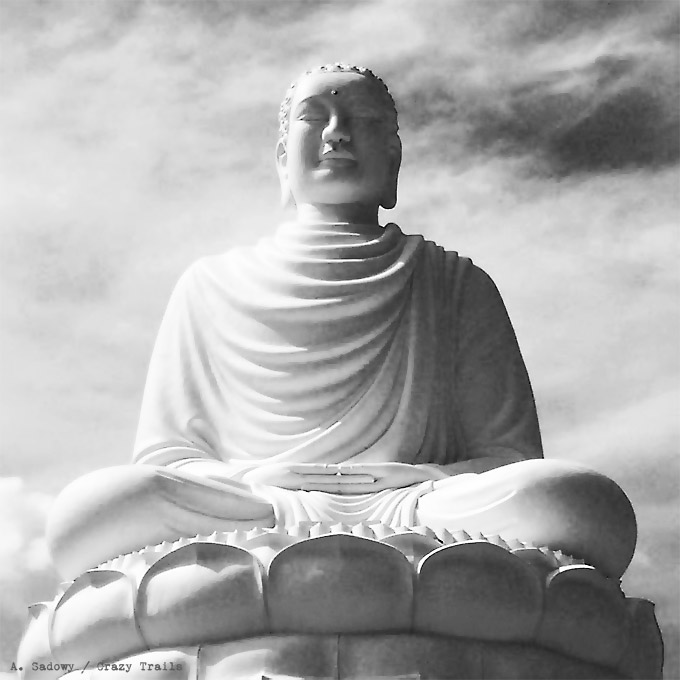
We also did a day trip from Chengdu to Leshan. The highlight there was the boat trip that took us past the giant 8th-century Buddha carved out of a hillside. At 71m high, it's the largest Buddha in the world.
Our next stop was to Xi An. Xi An was the eastern end of the Silk Road and served as the imperial capital for 13 dynasties. It's most famous for the UNESCO World Heritage-listed Terracotta Army. Over 8,000 life-size, hand-molded figures buried with China's first emperor, Qin Shi Huang, over 2000 years ago. This is an absolute must-see for anyone going to this part of China. Yes, it's touristy but they are seriously impressive. The city has plenty of other historic sites to visit as well, including the ancient city walls.
From Xi An we took an overnight train to Taiyuan. That was an adventure, lol. We got off the train and some girls took us to a "nice" hotel. The room had been used just before we arrived, the beds were still warm! So gross but kind of funny now. Needless to say we unpacked our travel-sleeping sheets and then moved to a proper tourist-approved hotel first thing in the morning. We didn't do anything in Taiyuan other than eat and use it as a base to take a day trip to Pingyao.
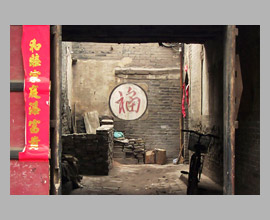
Pingyao is an amazingly well-preserved city dating back to the 14th century. It's a UNESCO World Heritage site and a great place to see old China. Obviously, China is loaded with historic sites but many are surrounded by ultra-modern cities so it was a treat to wander around the colourful, traditional streets and see the old walls and temples. We weren't visiting during high season so it was quite laid back and enjoyable.
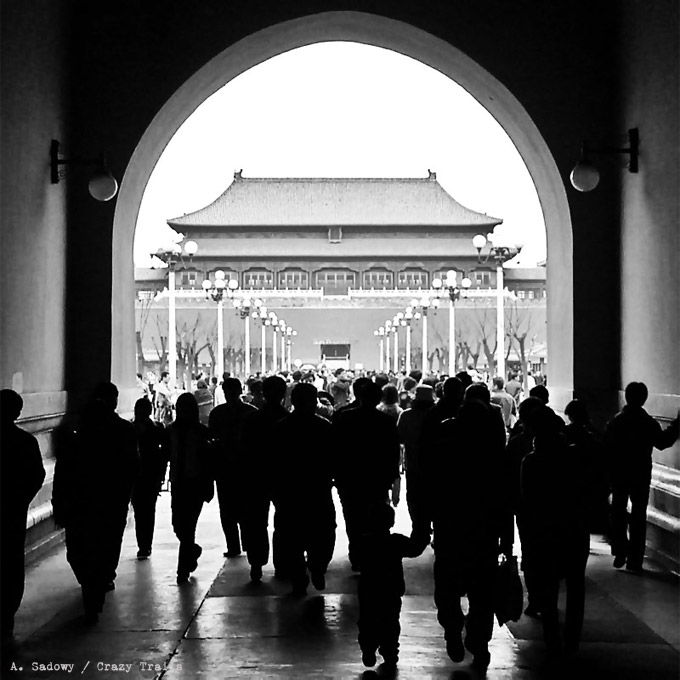
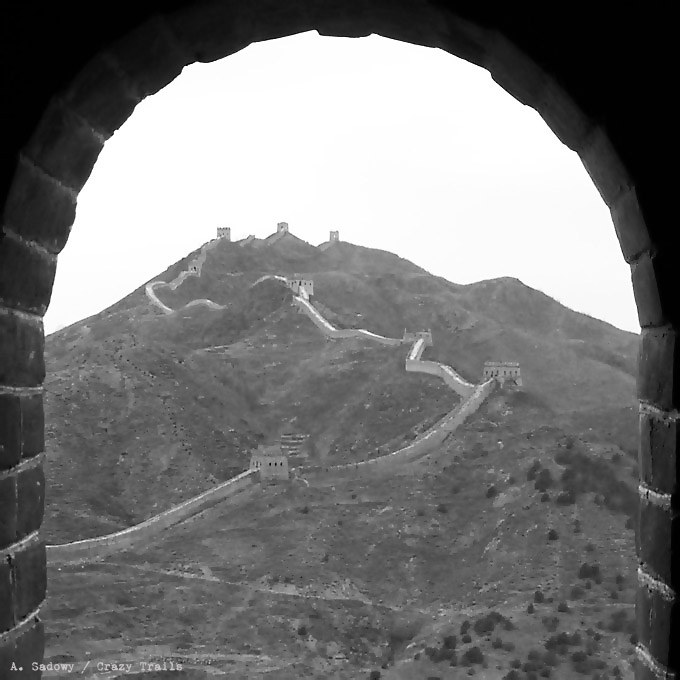
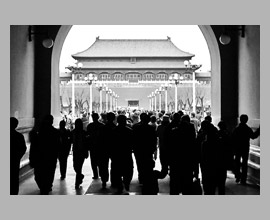
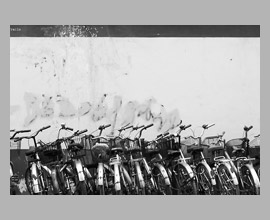
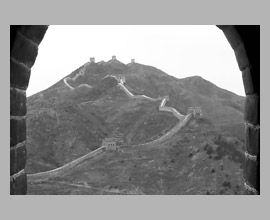
We then moved on to Beijing. Beijing is quite a contrast. It's so much more modern than we were expecting. We honestly felt like country hicks, lol. But if you look hard you will still find a few hidden gems, besides the obvious Forbidden City, of course. Keep your eye out for the famous hutongs. They are these amazing little hidden alleys lined with single-story buildings and at one point there were over 6000 of these connecting people around the city. They really give you a glimpse into the city's past. Give yourself plenty of time in Beijing because the city is huge and things are quite spread out. It was from here that we booked a tour to see the Great Wall. Something to tick off the bucket list, that's for sure. It looks super impressive from above but even close up it's something amazing. Sadly, I was quite sick so didn't go very far but you really can go as long as 5km in the restored sections. It was almost spring so we only a saw a few budding trees but I'm sure it would be amazing to go in March or April.
Our last stop in China was the town of Yangshuo. This resort town is surrounded by these amazing karst mountains and the best way to see the area is to hire some bikes and a local guide, which is what we did. It was foggy and raining a bit but that only added to the otherworldly atmosphere. Definitely worth a stop if you want more of an outdoorsy experience in China. Just watch out for people with children on the local buses! They let them pee in the aisle so don't put your backpacks on the floor! Lol.
China was amazing and we had a really wonderful time there. I wish we'd had more time but you could probably spend years there and still not see more than a fraction of what there is to explore. Perhaps we'll be able to return one day, time will tell.
Shona

15.03.2003
We've just ended a month-long journey through Vietnam, and personally I would say this has been the highlight of the trip (so far). I absolutely loved it there. The people, the sights, the weather, and certainly how economical it is! We started our trip in Ho Chi Minh City (f/k/a Saigon). A vibrant city with a mix of French Colonial architecture and traditional Vietnamese buildings, temples, and markets. While not a pleasant experience, a must-see is the War Museum. Everyone on earth should be made to walk through these places (like Auschwitz and the Killing Fields in Cambodia). While there, we purchased a very useful 30-day hop on/hop off bus ticket that goes along the coast all the way to Hanoi.
Our first stop was to Mui Ne. We went there specifically to see the beautiful sand dunes. It's also a mecca for wind and kitesurfing, sailing and other water sports, thanks to the steady wind conditions. Next stop was to the city of Nha Trang. We spent a few days here enjoying the beach, the cheap eats/beer, and the surrounding areas. And...we almost got ripped off! We took a day tour with some guys with rickshaws and while they did take us to some interesting sites, they also tried to get more money out of us once they had us in a more remote location. Well, that didn't sit well with me so I yelled at them and we just flagged down 2 passing motorbikes to take us back to our hotel! Now that I've had time to reflect on the incident, it was pretty stupid to argue over $20. But, all's well that ends well!
After Nha Trang, we moved on to Hoi An. This city, a UNESCO World Heritage Site is famous for its amazingly well-preserved old town. We loved wandering around the pedestrian-only streets (well, mostly pedestrians) to see the colourful buildings and enjoy the wonderful street food. The atmosphere in this city makes it a must-see in Vietnam. As a side note, it's also famous for inexpensive tailors so you'll find many westerners going there specifically to buy suits and other quality clothing.
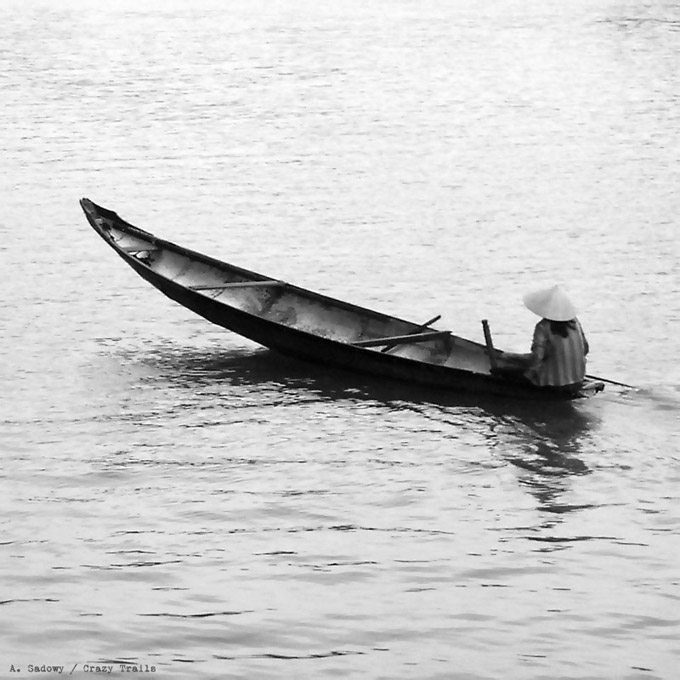
Next stop was to Hue. This city used to be the national capital from 1802 to 1945. The main highlight in Hue is the massive Citadel (Imperial City), another UNESCO World Heritage Site. In addition, there's the Thien Mu Pagoda and the colourful Dong Ba market, just to name a few things we enjoyed in Hue. The weather was insanely hot but it was a big mistake to complain about it because it started to rain shortly before we left and that rain and cool weather stayed with us on our next stops! So, be careful what you wish for, lol.
From Hue we made our way to the last stop on that bus ticket, Hanoi. Mostly we went to arrange a trip to Halong Bay but the city itself is also worth visiting. It's a fantastic mix of modern and ancient. We walked the traditional streets in the old quarter where you can see artisans and tradespeople plying their crafts. There were also some beautiful parks and temples. Of course, the highlight was our overnight boat tour on Halong Bay. Sadly, we had terrible weather but it was still beautiful and well worth the cost. It was almost otherworldly in the mist so not a bad thing for anyone interested in photography! We met a few interesting people on the trip and I would say that no matter what weather you have, you really can't skip out on doing the tour.
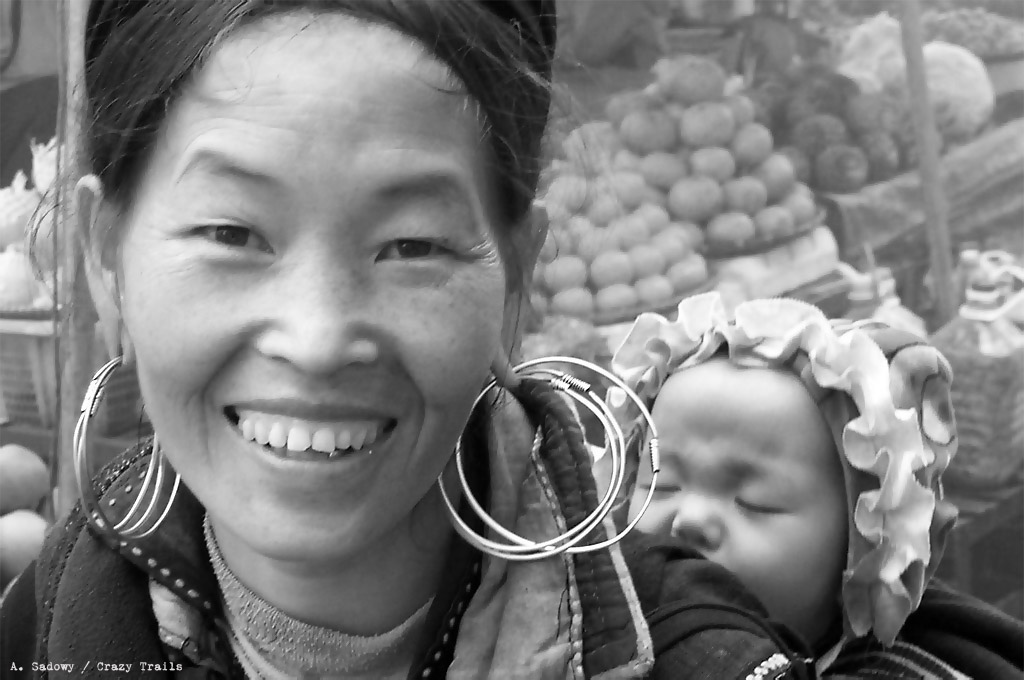
Our last stop in Vietnam before walking across the border to China was Sapa. This is a popluar spot for trekkers but even if you're not into that you won't want to miss the incredible rice terraces. We also loved wandering around the traditional market where we saw some of the colourful local tribespeople. Again, the best part of all of this was the people.
All in all, Vietnam was a truly fantastic experience. The people are super friendly, there's tons to see and do, it's laid back (well, except for the traffic in the big cities), and it's inexpensive... what more can you ask for?!
Shona


20.02.2003
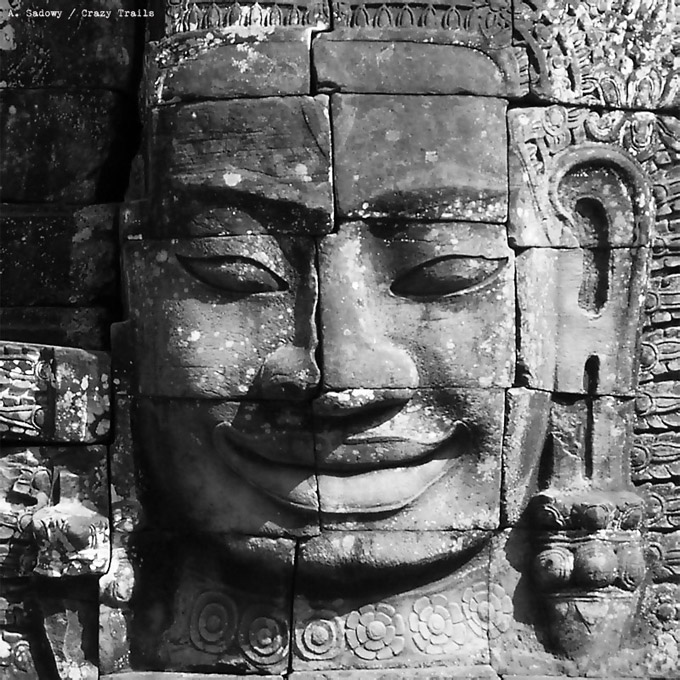
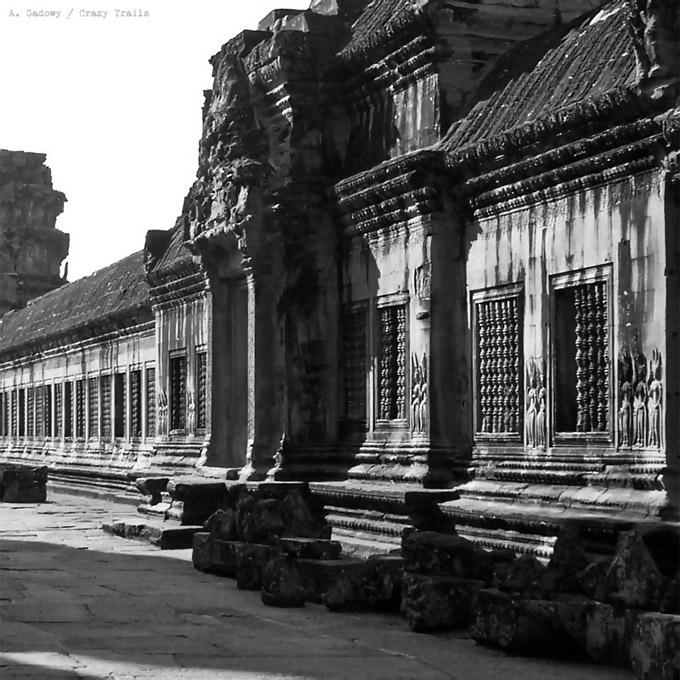
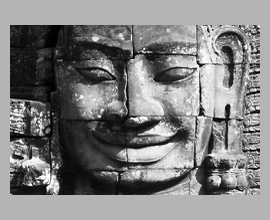
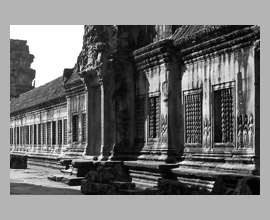
From Thailand, we crossed the border into Cambodia, and spent hours on a decrepit old bus (part of the fun!) which took us to the second biggest city in the country, Siem Reap. Siem Reap is the gateway to the ruins of Angkor, the seat of the Khmer kingdom from the 9th–15th centuries. Angkor’s vast complex of intricate stone buildings includes preserved Angkor Wat, the main temple, which is pictured on Cambodia’s flag.
More about Angkor.
After a few days in Siem Reap, another old bus took us to Phnom Penh, the capital and most populous city of Cambodia. Phnom Penh's entire population was forcibly evacuated in 1975 by the Khmer Rouge, and faced persecution, forced labour and genocide. Phnom Penh remained largely uninhabited during the Democratic Kampuchea era until Vietnam-backed forces took the city in 1979.
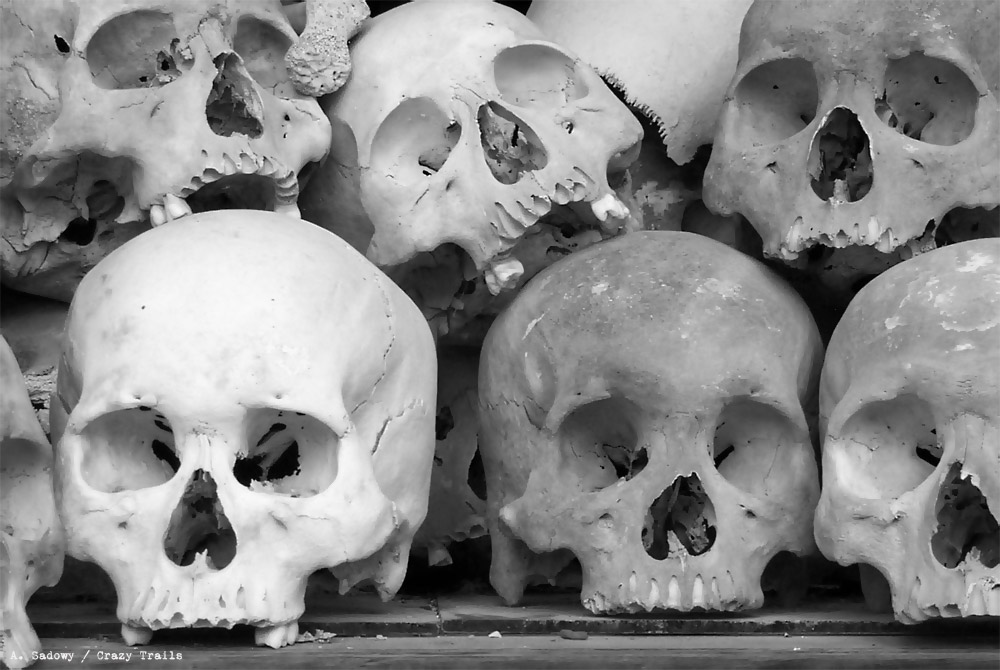
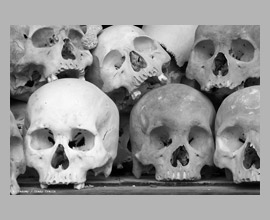
While in Phnom Penh, a visit to Choeung Ek is a must. Choeung Ek is a former orchard that was used as a Killing Field between 1975 and 1979 by the Khmer Rouge to perpetrate the Cambodian genocide. Situated about 17 kilometres south of the city centre, it was attached to the Tuol Sleng detention centre. The bodies of 8,895 victims were exhumed from the site after the fall of the Rouge, who would have been executed there, typically with pickaxes to conserve bullets, before being buried in mass graves. It is the best-known of the approximately 300 Killing Fields, where the Khmer Rouge regime collectively executed over one million people as part of their Cambodian genocide between 1975 and 1979. People are fucking insane!
Andrzej
11.02.2003
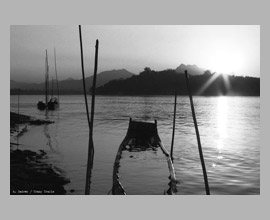
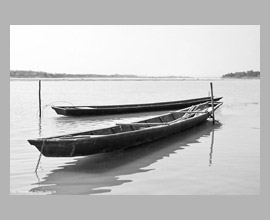
A rather unexpected turn of events. Due to a lack of empty pages in her passport, Shona did not get a Laotian visa. Shit, man! So, she stayed on Koh Samet island and I went on a short, solo trip, first to Vientiane and later to Luang Prabang.
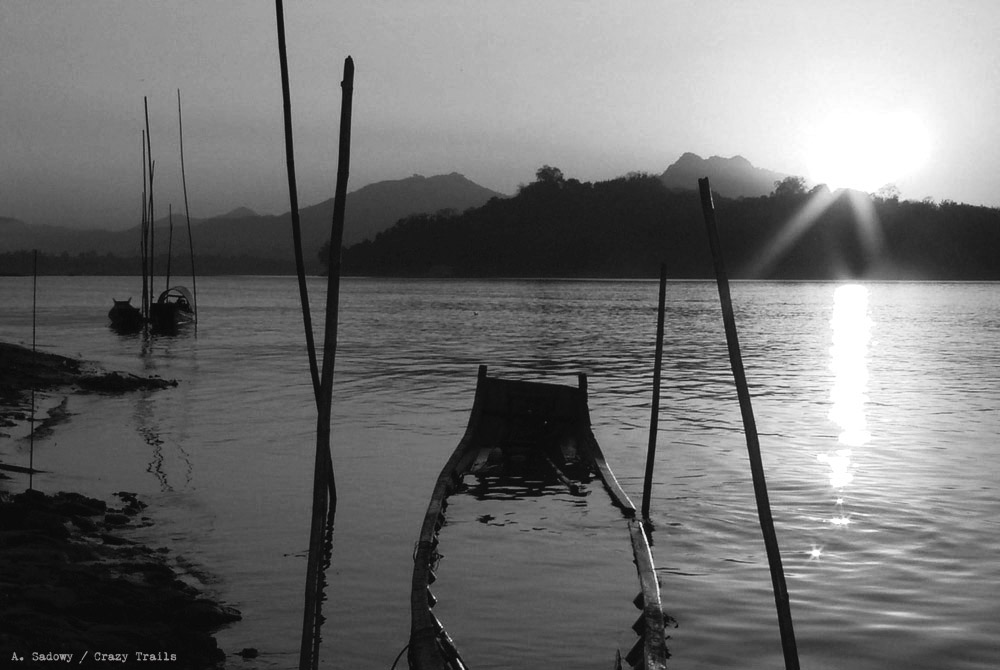
Luang Prabang, a charming and spiritual town nestled at the junction of the Mekong and Nam Khan rivers is a designated UNESCO World Heritage site. It is celebrated for its remarkably preserved architectural blend, where the traditional wooden architecture of Lao religious and vernacular buildings meets 19th and 20th-century European colonial structures.
Andrzej
08.02.2003
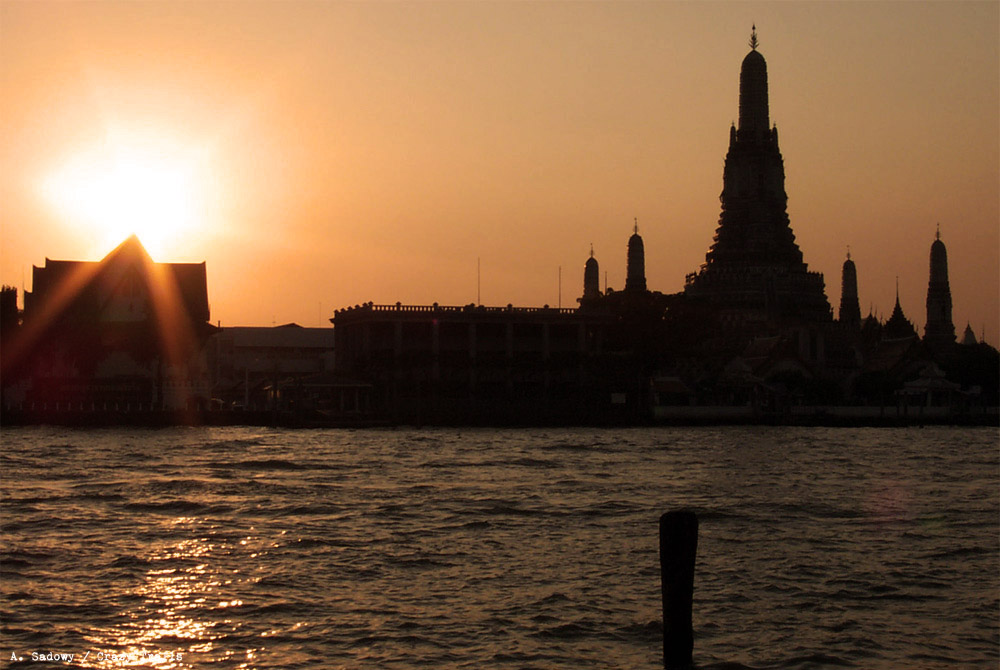
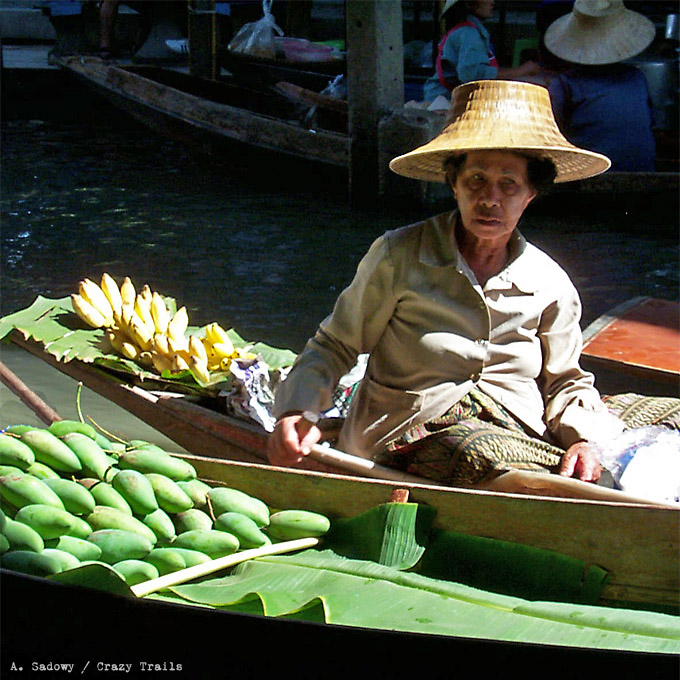
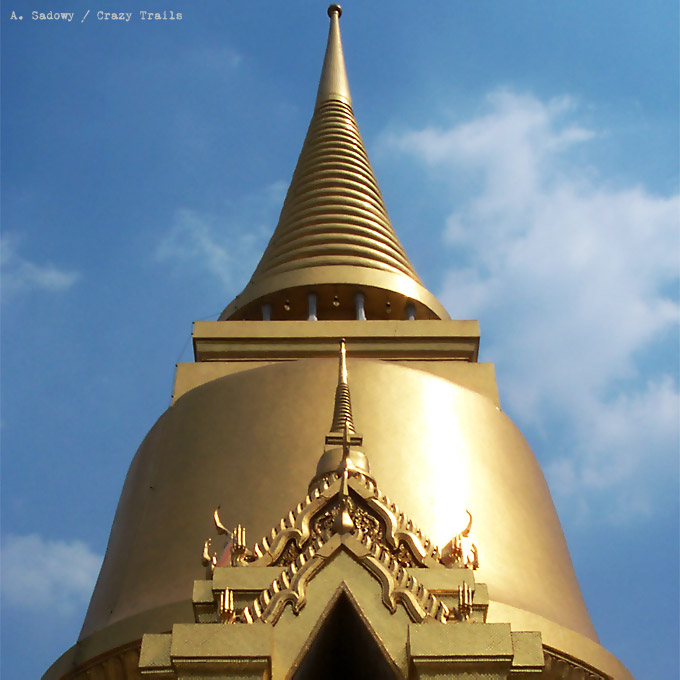
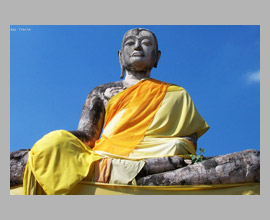
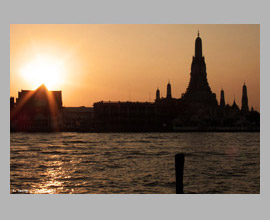
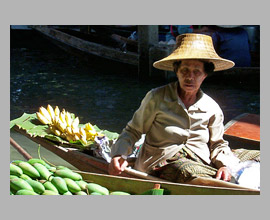
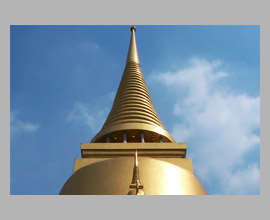
After a great trip to Myanmar, we spent some more time in Thailand. There's a lot to see and do in Thailand, so give yourself plenty of time to explore. Even just Bangkok and the surrounding area will keep you occupied for several days. Bangkok is colourful, vibrant, and a bit crazy, especially at night. But, during the day there's much to appreciate, including; the Grand Palace and Emerald Buddha, the Temple of Dawn and the Temple of the Reclining Buddha, and the famous floating market. Khao San Road is lively at all times of day and night but we enjoyed it most at night.
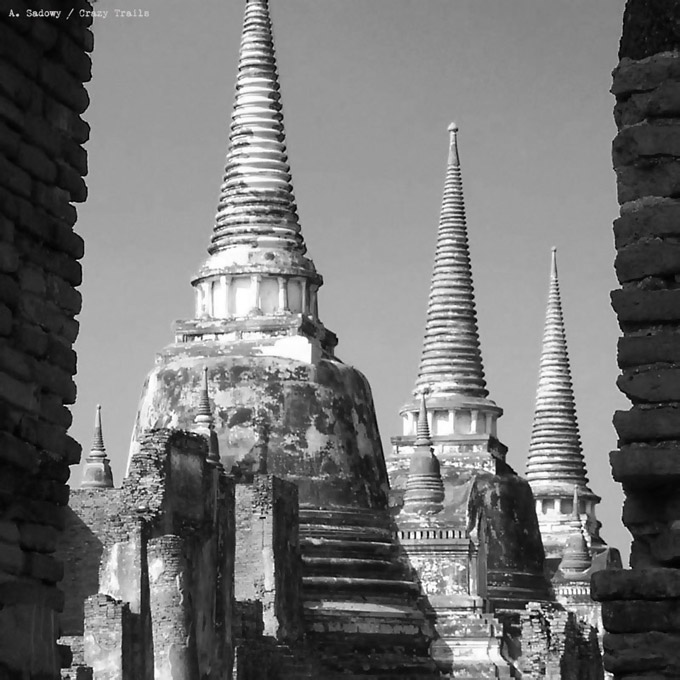
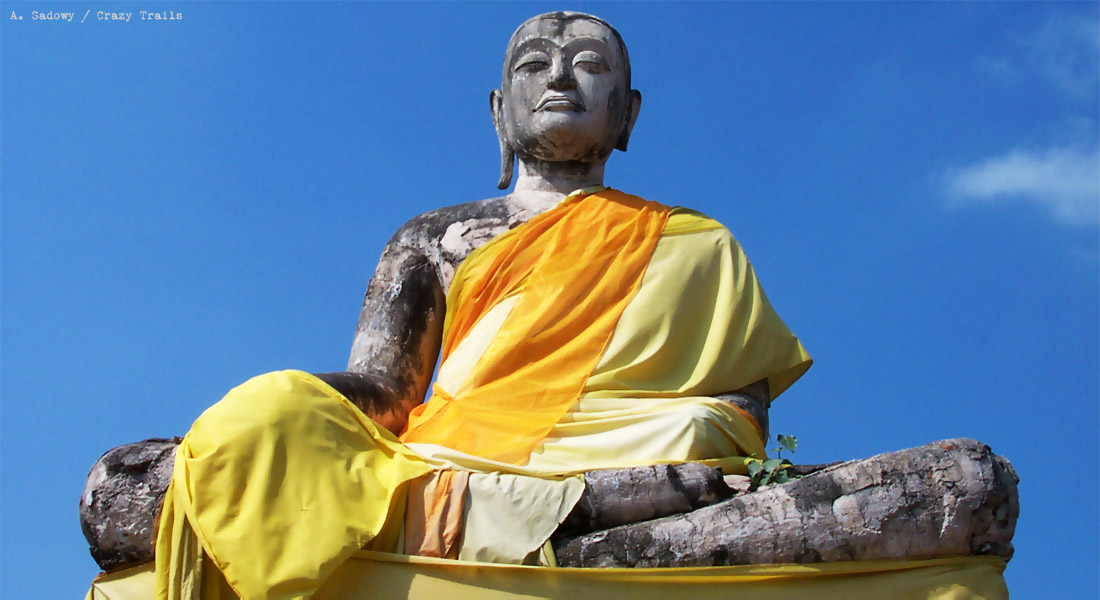
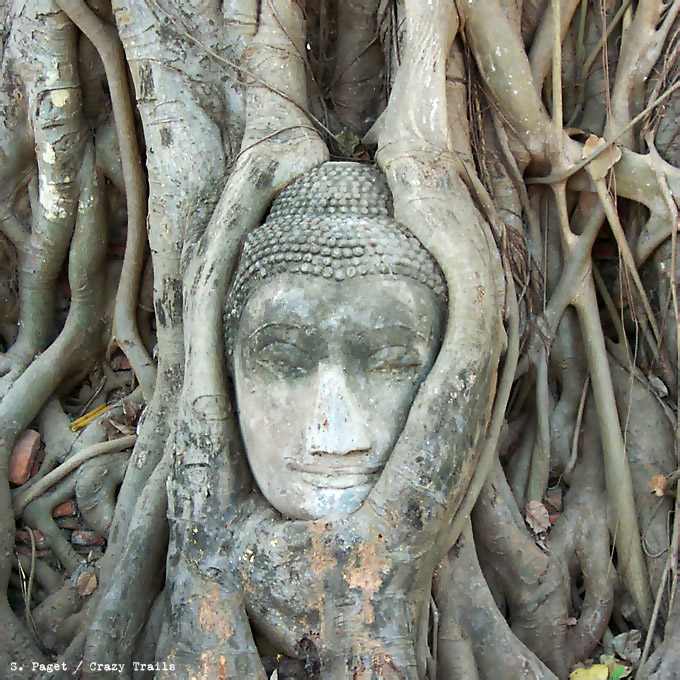
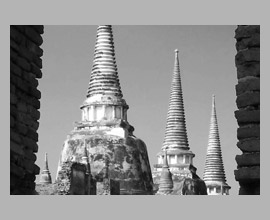
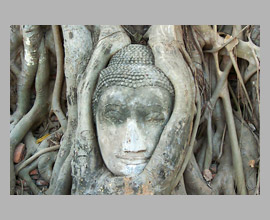
We also ventured outside of Bangkok to see the ancient capital of Ayutthaya. Ayutthaya is a UNESCO World Heritage site dating back to 1350 about 80km from Bangkok. We saw the ruins of numerous temples and old buildings, as well as the famous Buddha in the tree. The stone head of Buddha is believed to date back to some time between the 14th and 17th centuries, and then abandoned when the Burmese attacked the site in 1767. It was discovered embedded the roots of a banyan tree in the 1950s. The whole site is absolutely worth a day trip from Bangkok.
Then, we decided it was time to make our way north to see the popular city of Chiang Mai. A lot of people take cooking classes in Chiang Mai. We did not, but we certainly did enjoy the food on offer! The city has a nice old town, lots of beautiful temples, and provides easy access to the mountains. Another thing many people do is go for elephant treks. We didn't feel great about that and, besides, we were both not feeling great. The only thing we did outside the city was a visit to a village of the Long Neck Karen people. I mean, it was cool to see and they were quite friendly but take it with a grain of salt, it's there for the tourists. We noticed a satellite dish behind one of the buildings so they're not off the grid or anything. Still, they do support themselves with the fees and the handicrafts they sell and they are certainly exotic.
Now, I'm languishing on the island of Koh Samet while Andrzej is off exploring Laos. Why am I not with him, you ask? Well, I didn't have a full empty page in my passport so they wouldn't give me a visa!
Shona
10.01.2003
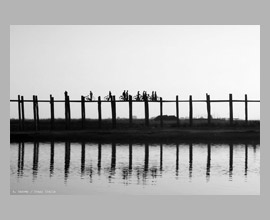
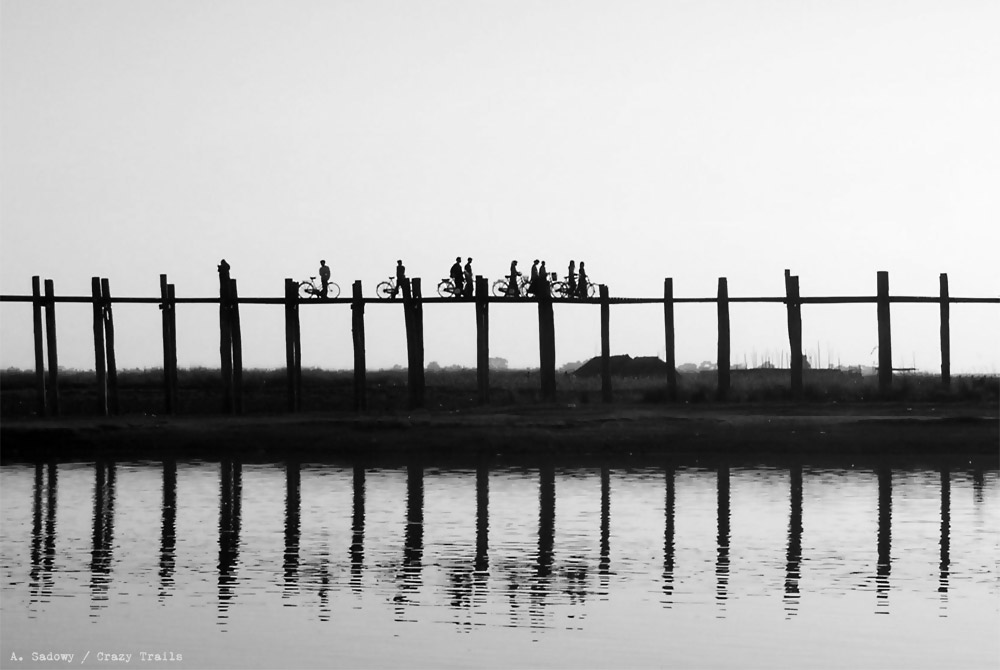
What a start to the new year! Continuing our exploration of Myanmar, we spent my birthday visiting a few sites around Mandalay, including Inwa, the ancient capital of central Myanmar, with its beautiful pagodas, temples, and the incredible Me Nu Monastery. We were also able to catch the famous U Bein bridge, in Amarapura, at sunset. The bridge was built in 1850 and is believed to be the longest teakwood bridge in the world. It's absolutely wonderful to watch the local people crossing the bridge with their traditional dress, women carrying their loads on their heads, and fishermen in the water.
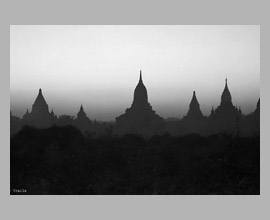
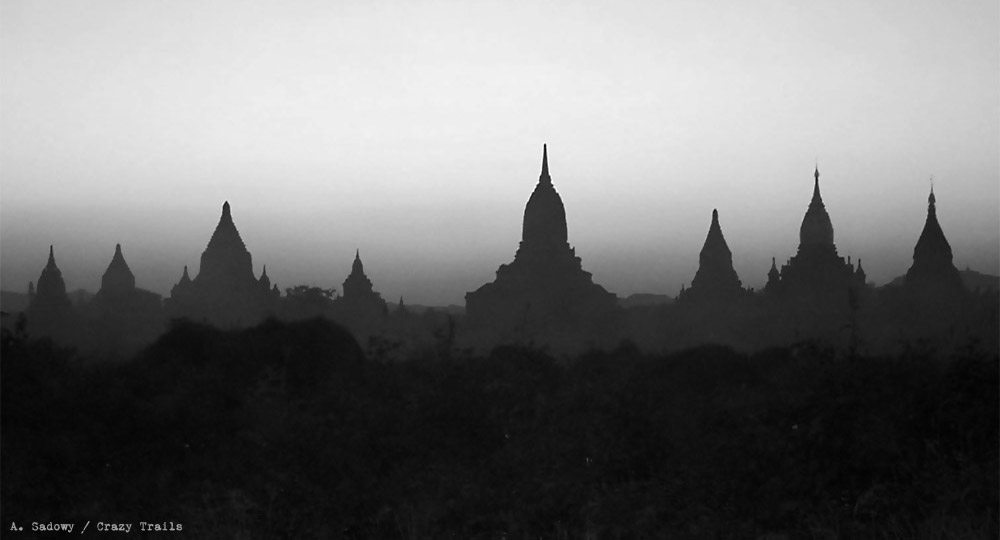
After that we took an overnight boat trip down the Irrawaddy river to Bagan. The boat was relatively slow so we were able to appreciate the views and we enjoyed a spectacular sunrise before arriving in Bagan. Bagan is a must-see for any visit to Myanmar. We recommend renting bicycles for at least a couple of days so you can ride around at your leisure to see a variety of different temples, pagodas, and stupas. If you're feeling more adventurous, or flush with cash, you can also book a hot-air balloon ride. And make sure to go up the seemingly vertical side of Shwesandaw Pagoda, one of the tallest temples in Bagan, to catch either sunrise or sunset. Just be prepared to share the view with a lot of other people.
After Bagan, we headed back to Yangon for one night, before flying back to Thailand. We decided to treat ourselves and booked tickets to a traditional dance show and buffet supper. The highlight of the evening for everyone (except me) was seeing me, trip going up the stairs with a plate full of food. Happily, no injuries were incurred and not a piece of food fell of the plate. Personally, I enjoyed the dancers. Lol.
Shona